leaguesabout 3 hours ago
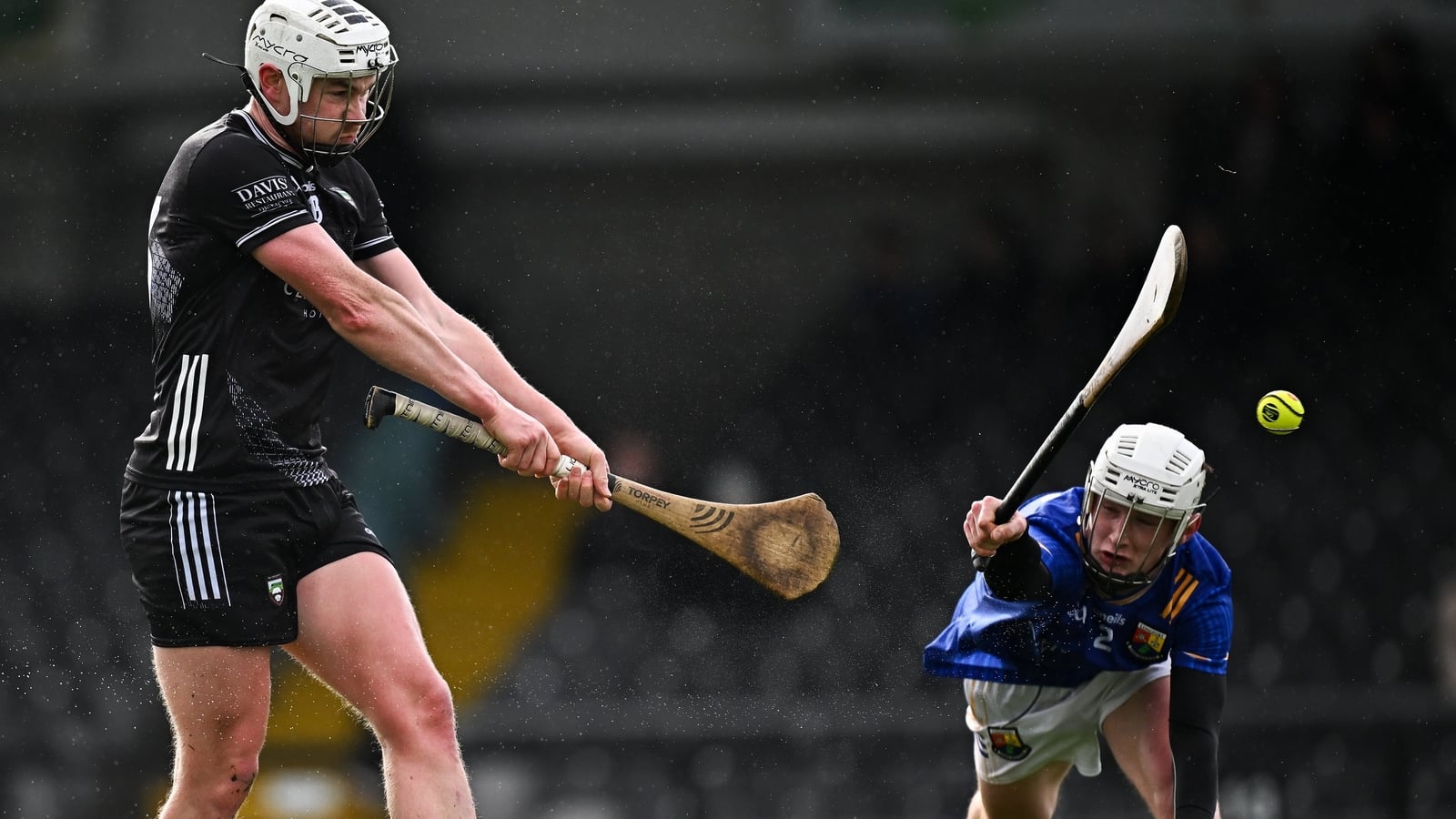
Sligo Wins Division 4 Title
Sligo was crowned Allianz League Division 4 champions after a hard-fought victory over Longford. Andrew Kilcullen led the charge with an impressive 1-08.
El Monumental has traded football battles for rock anthems during the international break, but the cost to River Plate's hallowed turf is already evident. After just one AC/DC show, the playing surface shows visible signs of distress, sparking widespread concern among fans and club officials alike.
Buenos Aires is alive with the electrifying energy of AC/DC, as the legendary rock band takes over River Plate's iconic Mâs Monumental Stadium for a series of highly anticipated concerts. While fans revel in the thunderous riffs and timeless anthems, a different kind of buzz—one of significant concern—is reverberating through the football community. After just the first of three scheduled AC/DC shows, the hallowed turf of El Monumental, usually meticulously maintained for the 'Millionarios', is already showing worrying signs of distress. The sight of a visibly damaged pitch has ignited a fervent debate among supporters and experts alike, raising serious questions about the balance between commercial ventures and sporting integrity.
Images circulating on social media following the initial concert painted a stark picture: large sections of the pitch appeared discolored, flattened, and in some areas, almost completely bare. The heavy-duty coverings, scaffolding, and thousands of concert-goers standing and moving across the surface for hours on end have taken a significant toll. For a football pitch, especially one as revered as El Monumental's, such trauma goes far beyond aesthetic blemishes. An uneven or compromised surface can drastically alter the ball's roll, impact player traction, and fundamentally change the dynamics of a game. It's not merely a visual setback; it's a potential threat to the very essence of the sport played on it.
"Seeing the Monumental pitch in this state is heartbreaking for any River fan. This isn't just a patch of grass; it's where legends are made and battles are fought. We hope for a quick recovery, but the damage looks significant." - A concerned River Plate supporter.
The timing of these concerts, during a FIFA international break, was presumably chosen to minimize disruption to River Plate's demanding schedule. However, with three concerts scheduled in quick succession (November 17, 20, and 23), followed by a crucial period of domestic and potentially international fixtures for River Plate, the recovery window is alarmingly tight. While the break offers a brief respite from competitive matches, the sheer scale of the damage and the limited timeframe before the 'Millionarios' must return to action creates an immense challenge for the club's ground staff. River Plate's ambitions in the Liga Profesional and other competitions demand a top-tier playing surface, and the current situation casts a shadow over their immediate future matches.
Hosting global music acts like AC/DC undoubtedly brings substantial financial benefits to River Plate. These revenues are crucial for club development, player acquisitions, and stadium maintenance, especially for a club that recently completed a significant renovation of El Monumental. However, this commercial windfall often comes at a cost to the primary function of the stadium: a pristine football pitch. The dilemma facing many modern clubs is stark: how to maximize non-matchday revenue without compromising the sporting product that forms the core of their identity. For River Plate, a club synonymous with footballing excellence and a beautiful playing style, the condition of their pitch is paramount.
El Monumental is not unique in hosting major concerts. Stadiums worldwide, from Wembley to the Santiago Bernabéu and MetLife Stadium, regularly transform into concert venues. What distinguishes successful multipurpose venues, however, is often their investment in state-of-the-art pitch technology and rapid recovery protocols. Hybrid grass systems, advanced underground irrigation and drainage, and sophisticated grow lights are common features designed to withstand external pressures and ensure swift regeneration. The question arises whether El Monumental, despite its recent modernization, is adequately equipped with such advanced systems to cope with the intensive wear and tear from three major rock concerts in a single week. The visibly immediate damage suggests that the recovery process will be a significant undertaking.
Beyond the aesthetic concerns, a damaged pitch poses tangible risks. An uneven playing surface can lead to unpredictable ball bounce, making precise passing and dribbling far more challenging. More critically, it significantly increases the risk of player injuries, from twisted ankles and knee strains to more severe ligament damage. Clubs invest millions in their players' health and fitness, and a compromised pitch undermines these efforts. Furthermore, the quality of the playing surface directly impacts the quality of football on display. River Plate's distinctive possession-based, fluid style of play thrives on a fast, true pitch. A poor surface could negate their home advantage and force them to adapt their game, potentially affecting crucial results.
The ground staff at El Monumental face an unenviable task. Following the final AC/DC concert, they will have a limited window to restore the pitch to a playable condition. This will likely involve intensive repair work, including reseeding damaged areas, applying specialized fertilizers, aeration, and potentially using grow lights to accelerate grass growth. The cost of such an operation, both in terms of financial outlay and labor, will be substantial. The challenge is exacerbated by the need for the pitch to not only look good but also provide a safe and consistent playing surface for professional athletes. Fans will be closely watching the progress, eager for their beloved 'cancha' to return to its former glory.
The reaction from River Plate supporters has been a mix of disappointment, frustration, and resignation. While many understand the financial imperatives, the emotional connection to the stadium and its pitch runs deep. For them, El Monumental is a sacred space, a temple of football. This incident reignites the perennial debate: should football stadiums be primarily football venues, or can they successfully serve as multipurpose entertainment hubs? As stadiums evolve into mega-structures designed to generate year-round income, incidents like this serve as stark reminders of the delicate balance that must be struck to protect the integrity of the sport itself. The immediate focus, however, remains on El Monumental’s green heart and its battle for recovery.
As the echoes of AC/DC’s rock anthems fade from Buenos Aires, the spotlight will inevitably shift back to the state of El Monumental’s pitch. River Plate faces a critical period, with both their sporting ambitions and the reputation of their newly renovated stadium potentially hanging in the balance. The coming weeks will test the resilience of the turf, the expertise of the ground staff, and the patience of the 'Millionarios' faithful. This incident serves as a potent reminder of the inherent tensions in modern stadium management, where the roar of the crowd for a goal can sometimes be overshadowed by the clamor for concert revenue, leaving the sacred green carpet to bear the brunt of the commercial imperative.
