Tacticsabout 2 hours ago
Antonio Conte's Quiet Revolution at Napoli — And Why It Matters
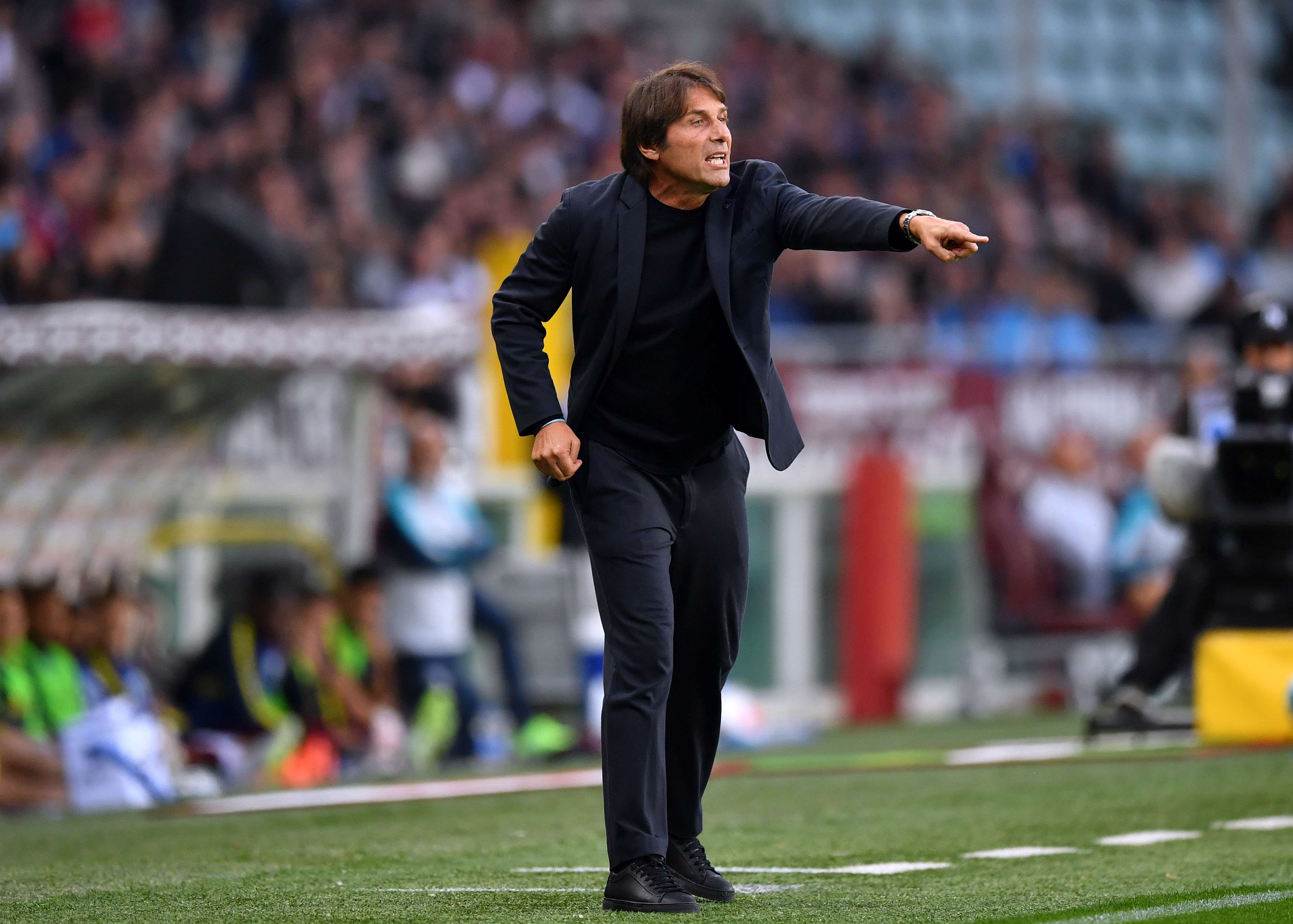
Antonio Conte is reshaping Napoli with a rigid, high-intensity system. Here’s how his tactics are transforming the team.

Half-spaces football. That’s where the game is won now.
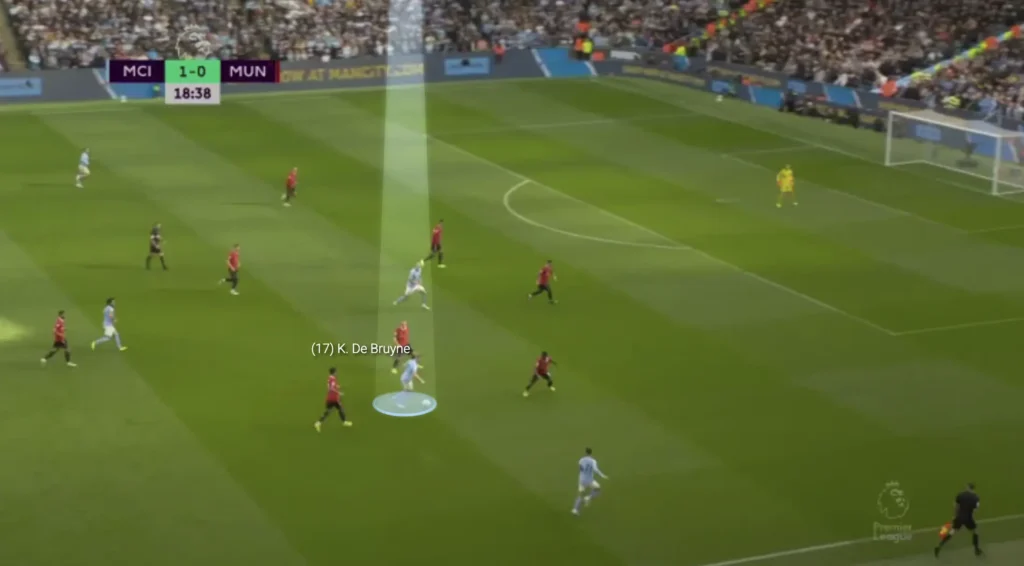
Half-spaces are the vertical lanes just inside the touchline, between wide areas and central zones. They run from box to box.
They’re narrow enough to avoid full-backs, wide enough to access central passing lanes. This makes them ideal for decision-making under pressure.
The idea gained traction in the late 2000s. Barcelona’s 2009 treble side used half-spaces through Iniesta and Xavi.
Iniesta would drift into the right half-space, receiving between the lines, then turn to face play — a signature move.
Borussia Dortmund under Klopp used it too, with Marco Reus cutting in from the left to destabilise defences.
Arne Slot at Liverpool has refined this approach. His 4-2-3-1 relies on an advanced midfielder operating in the half-space.
The player receives between the lines, links play, and either plays through balls or drives forward. This has increased Liverpool’s chance creation from structured build-up.
At Manchester City, Phil Foden regularly occupies this zone, combining with full-backs and the striker to overload central areas.
Teams use double pivots or a single pivot with a box-to-box midfielder to cover these zones. Compact 4-4-2 or 3-4-3 systems close passing lanes.
Full-backs must decide: follow the winger inside or stay wide. This dilemma is exploited by elite managers.
Pressing triggers are set when midfielders enter half-spaces — a tactic used effectively by elite pressing sides.
Central areas are too congested. Wide play is predictable. Half-spaces offer the optimal mix of space and passing angles.
They allow diagonal passes, cutbacks, and late runs into the box. It’s the hidden engine of modern attacking football.
Antonio Conte is reshaping Napoli with a rigid, high-intensity system. Here’s how his tactics are transforming the team.
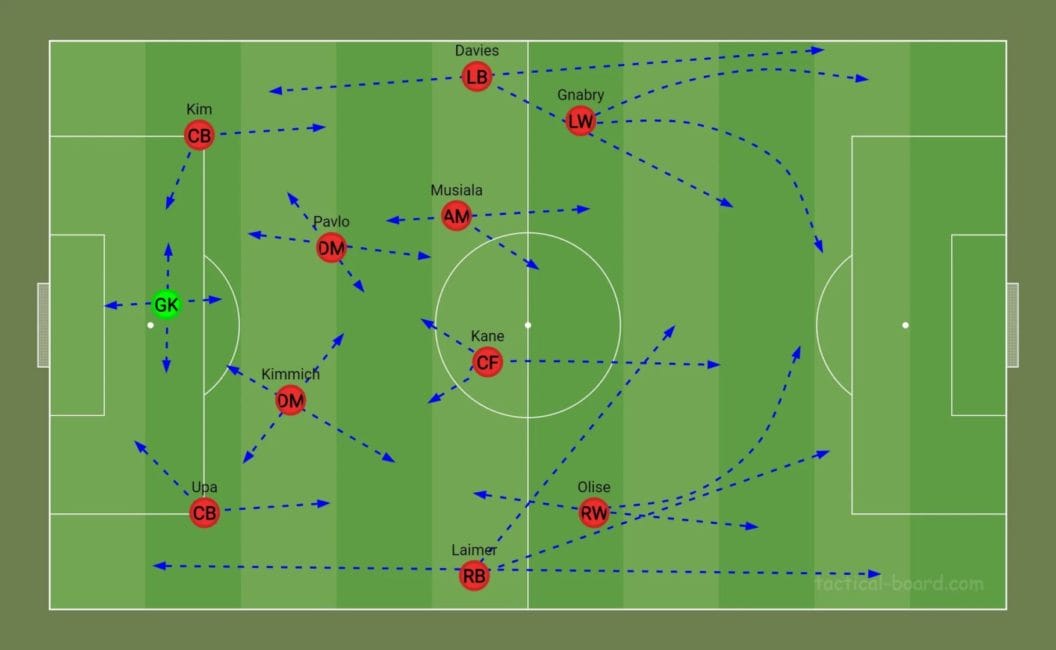
Vincent Kompany is reshaping Bayern Munich with a disciplined, high-intensity system. His tactical blueprint blends structure, aggression, and intelligent transitions.
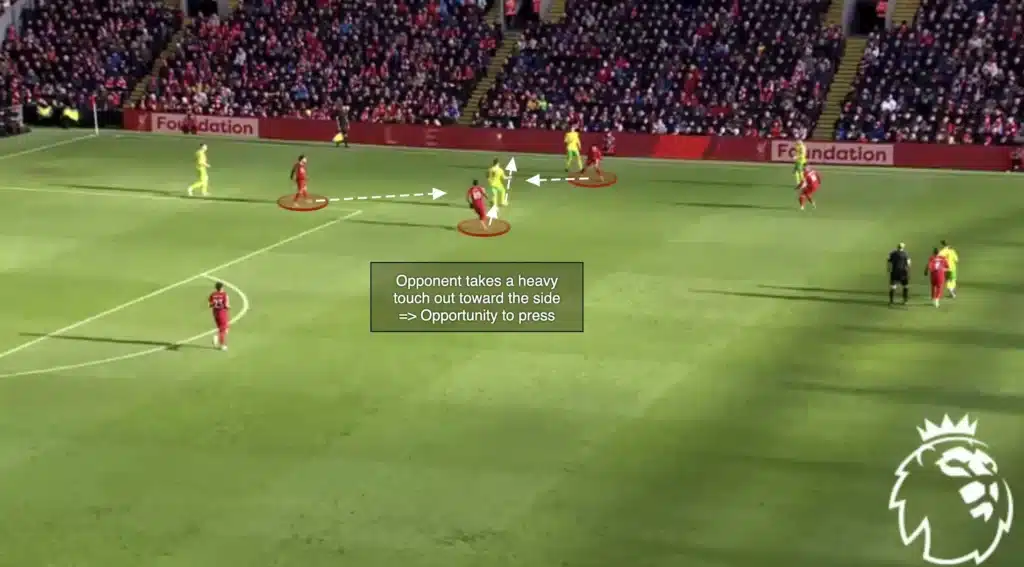
Pressing triggers in football: how top teams like Manchester United under Ruben Amorim use tactical cues to dominate games.
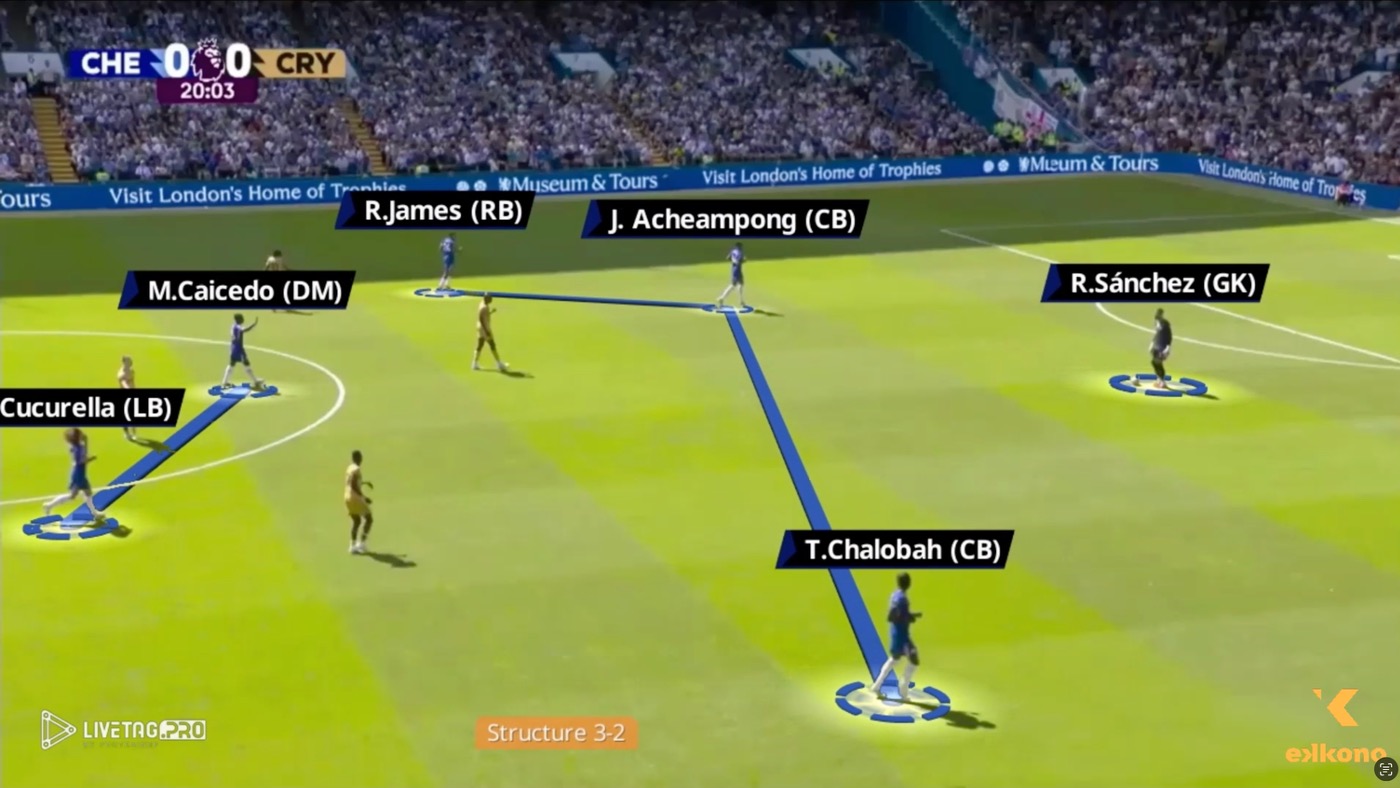
Enzo Maresca is reshaping Chelsea with a disciplined, intelligent system. Here’s how his tactics are transforming the Blues in 2025-2026.