Footballabout 2 hours ago
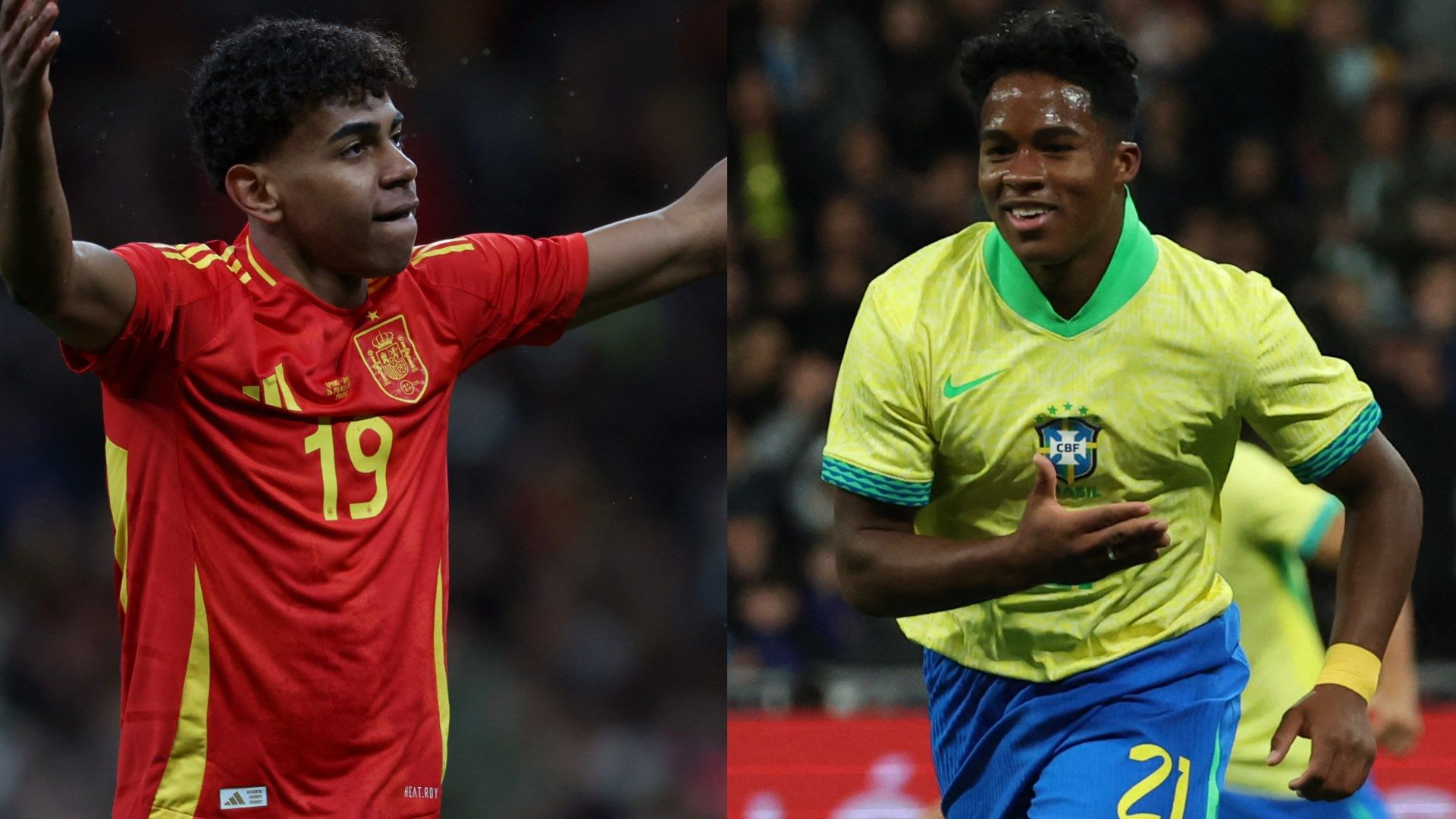
Lamine Yamal vs Endrick: Who is the Future of World Football?
Lamine Yamal and Endrick, the two young talents who are disputing a generational duel.

Croatia will reach the quarter-finals at the 2026 World Cup, leveraging tournament experience and disciplined midfield control.
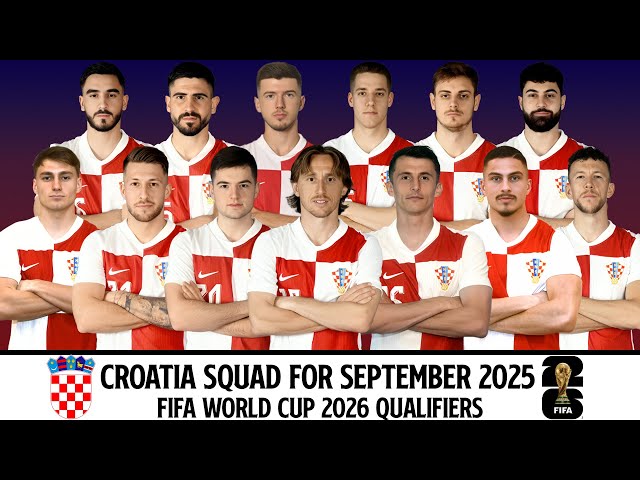
Zlatko Dalić’s squad will blend Champions League-tested veterans with emerging talents from Croatia’s renowned academy system.
Luka Modrić and Ivan Perišić are widely regarded as key figures, though their minutes may be managed carefully.
Marcelo Brozović is understood to remain vital in midfield, offering balance and discipline in front of the back four.
The defence will hinge on Joško Gvardiol, reportedly in excellent form, with Borna Sosa and Josip Stanišić competing for full-back spots.
In goal, Dominik Livaković is expected to start, though Ivica Ivušić is being linked with a bigger role if form dictates.
Young midfielders like Luka Sučić and Martin Baturina have continued their impressive development and could feature in rotation roles.
Dalić is likely to stick with a structured 4-3-3, prioritising midfield control and compactness.
The engine room will feature Brozović as the deep-lying playmaker, flanked by Kovačić and Sučić as dynamic box-to-box options.
This setup allows Modrić to come off the bench and dictate tempo in knockout stages without starting every game.
Up front, Andrej Kramarić is believed to be among the top performers this season and will lead the line as a classic false nine.
Wingers Nikola Vlašić and Mislav Oršić offer pace and directness, crucial for counter-attacks against high-pressing teams.
“We don’t need to win every game 4-0. One goal, one clean sheet — that’s our DNA.” — Zlatko Dalić, 2025
Luka Modrić won’t play 90 minutes regularly, but his influence as a tactical brain and motivator remains unmatched.
At 39, he’d become the oldest outfield player to feature in a World Cup knockout round if Croatia progresses.
Joško Gvardiol has emerged as the nation’s most complete defender — strong in duels, intelligent in build-up, and dangerous on set-pieces.
His ability to step into midfield and break lines could be Croatia’s most potent weapon.
Nikola Vlašić, reportedly in excellent form, may be the difference-maker in tight games, combining creativity with end product.
In the 48-team format, Croatia will likely be seeded in Pot 2, facing one top-tier side, one mid-level team, and a debutant or qualifier.
With their tournament savvy, they’re strong favourites to advance — but topping the group depends on early momentum.
A slow start, as seen in 2018, could force them into a tougher knockout path.
Their biggest threat? A young, high-energy side that can disrupt their rhythm before Modrić and Brozović settle into the game.
Their realistic ceiling is the quarter-finals. Anything beyond that would require near-perfect execution and some luck in the draw.
They lack a world-class striker capable of winning games alone, and their reliance on ageing midfielders is a risk.
But Croatia has repeatedly defied expectations. In knockout football, their composure and set-piece efficiency can overcome superior opponents.
If Gvardiol dominates at the back and Vlašić finds the net, another surprise run isn’t out of the question.
Lamine Yamal and Endrick, the two young talents who are disputing a generational duel.
Mohammed Kudus has suffered a severe setback in his recovery, ruling him out for the rest of the season and threatening his World Cup dream.
The key facts behind De Zerbi's first test with Tottenham
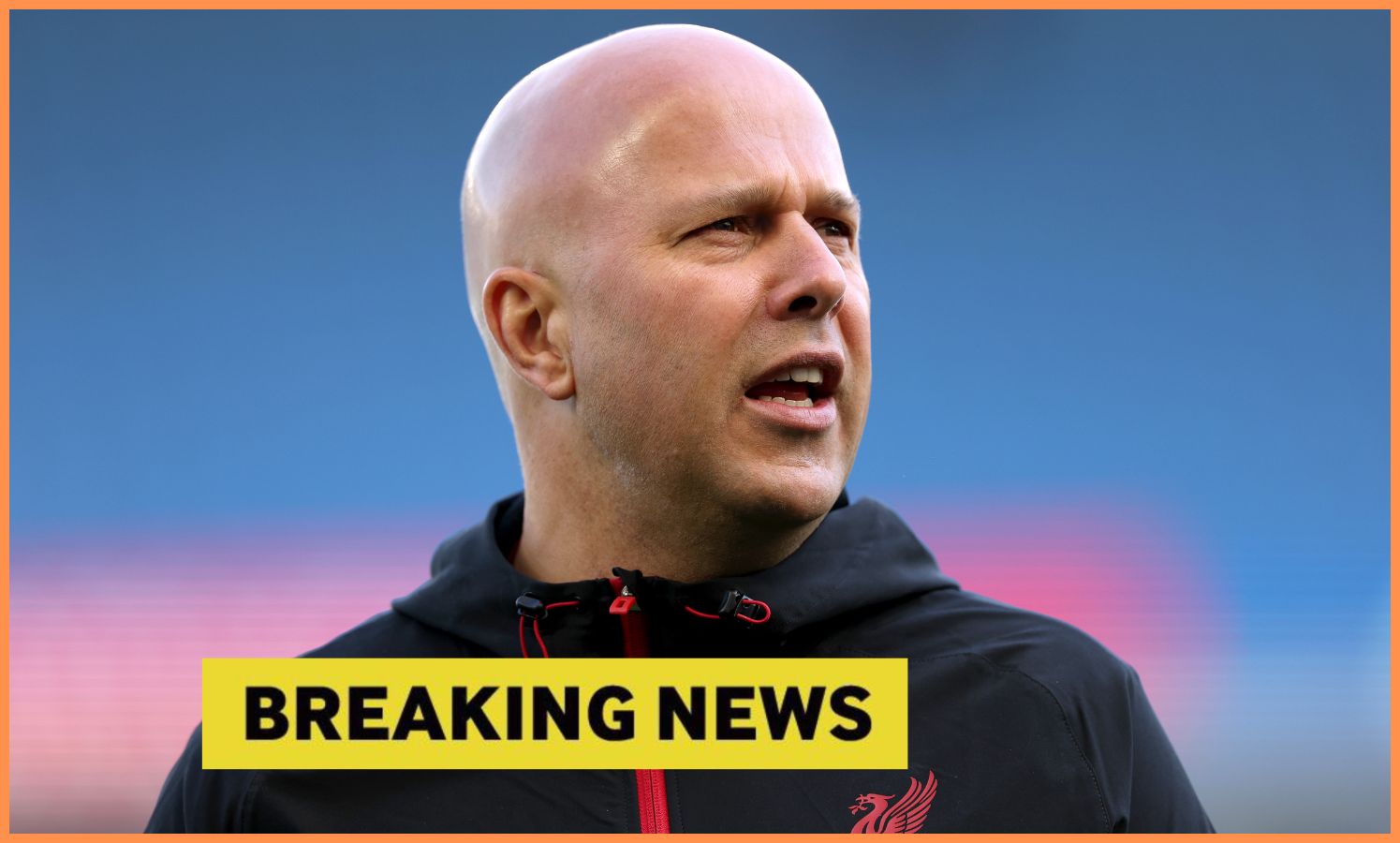
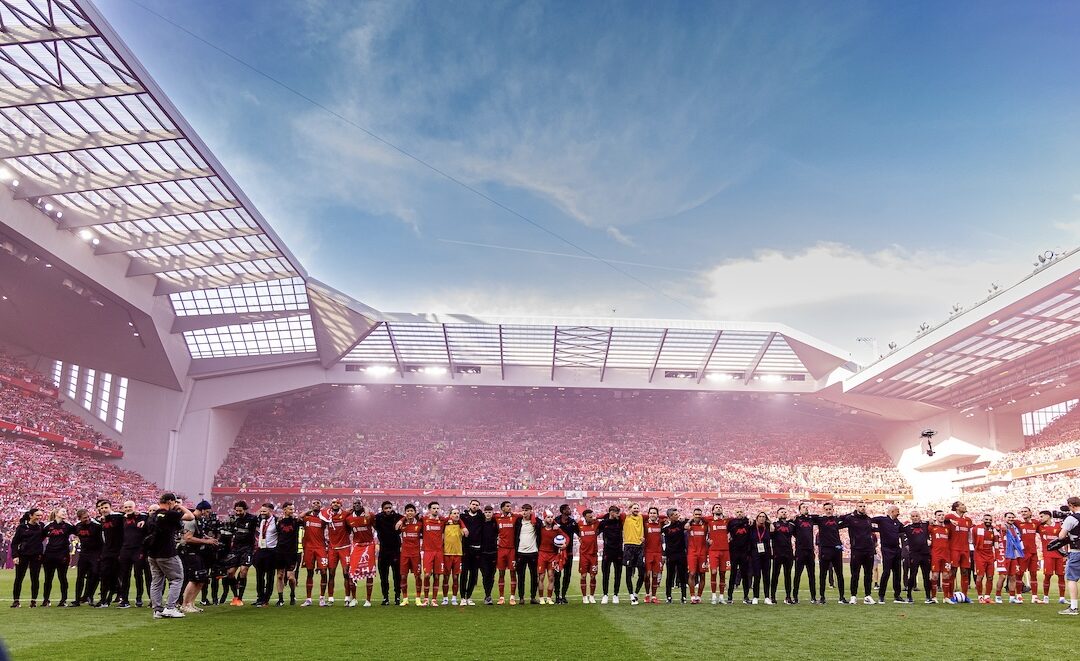
FSG has reaffirmed Arne Slot's position despite heavy defeats. This is not panic — it's long-term strategy.