
Footballabout 4 hours ago
Bayern Munich's audacious pursuit of Anthony Gordon
Bayern Munich have set their sights on Newcastle United winger Anthony Gordon, but the competition will be fierce with Arsenal and Liverpool.

Enzo Maresca. That's the architect behind Chelsea's evolving identity. His tactical framework is reportedly reshaping the club's on-pitch philosophy.
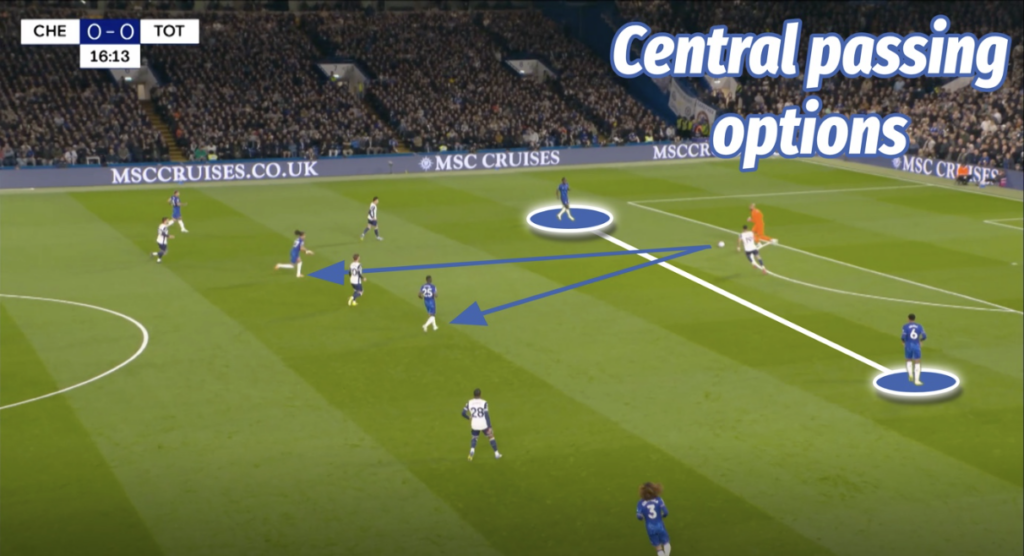
Enzo Maresca is known to deploy a disciplined 4-2-3-1 system, built on balance between defensive solidity and attacking fluidity. The foundation lies in a double pivot, offering stability and progression.
The two central midfielders act as deep-lying playmakers and shields, enabling full-backs to push high. This structure provides control in Premier League encounters.
Maresca's pressing isn't relentless high pressure. Instead, it relies on a mid-block defensive shape with targeted triggers after losing possession.
Players form coordinated pressing zones, especially in wide areas. The aim is to funnel opponents into tight spaces and force turnovers during transitions.
"It's not chaotic pressing — it's intelligent recovery," sources suggest.
Build-up starts from the goalkeeper or centre-backs. The approach is patient, with structured circulation and spatial awareness.
The double pivot often splits to create passing triangles. Full-backs are key outlets in possession, providing width and overlapping runs.
The right-sided inside forward is reportedly the main creative hub, while the striker operates as a target man or false nine, depending on the phase.
Corners and free-kicks are meticulously rehearsed. Chelsea uses decoy runs and dual movements to disrupt defensive marking.
Offensive corners often feature a short retreat or long shot option, avoiding predictable central deliveries. It's a tactical, not just physical, approach.
The box-to-box midfielder is crucial — linking defence and attack, contributing to pressing, and supporting transitions.
The false nine is occasionally deployed to unlock compact defences. The left-back, meanwhile, is understood to be a constant attacking threat, overlapping and delivering crosses.
Fast counter-attacking teams can exploit space behind advancing full-backs. If the pivot is bypassed, the backline becomes exposed.
Sustained high pressing can also disrupt Chelsea's build-up, particularly if long balls target the centre-backs under pressure.
Bayern Munich have set their sights on Newcastle United winger Anthony Gordon, but the competition will be fierce with Arsenal and Liverpool.

A Champions League heavyweight clash with European stakes, tactical intrigue, and a bold 1-1 prediction. Everything hinges on midfield control.
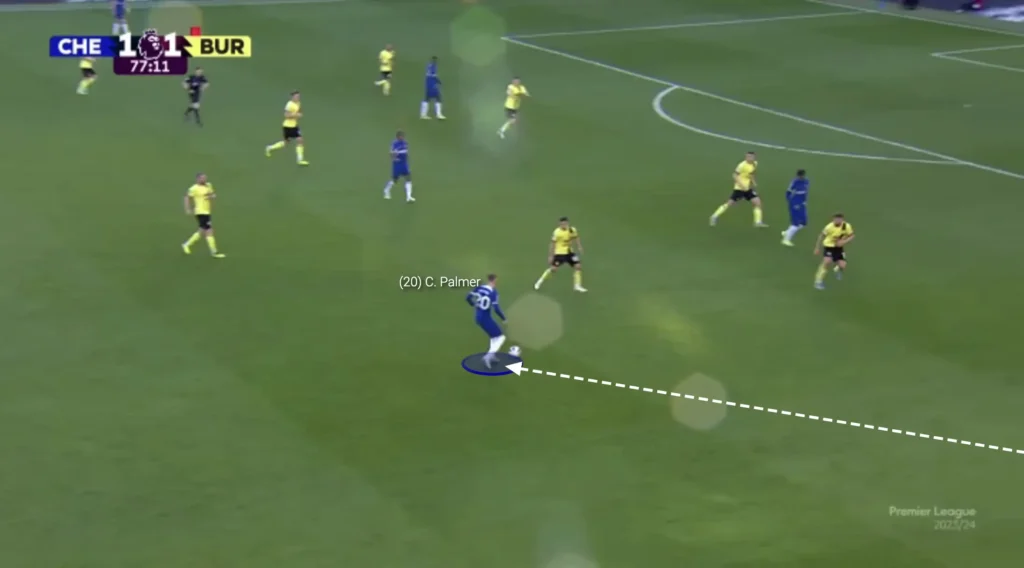
Discover how top teams use the inverted winger to outmaneuver their opponents

A European heavyweight clash with history, fire, and tactical intrigue. This preview dives deep into the battle that could define the Champions League knockout stage.