The Bigger Picture: Context That Matters
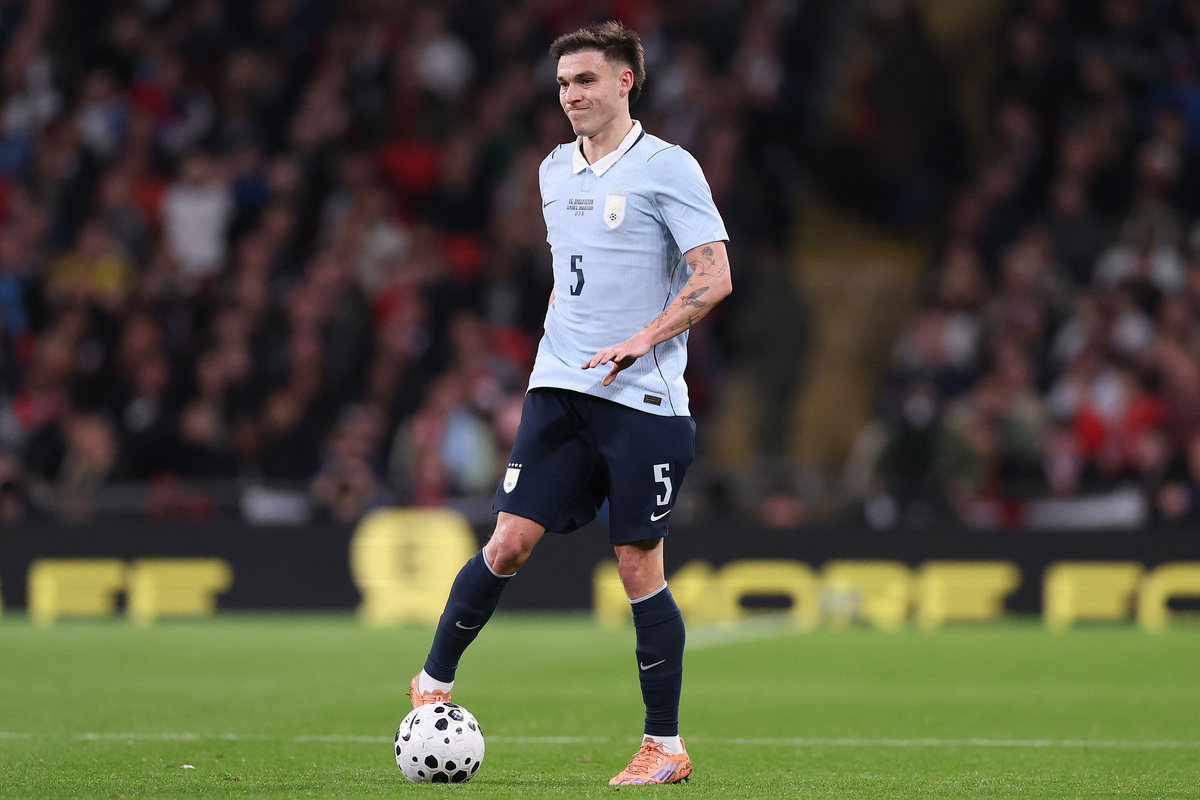
Juventus aren’t just fighting for a top-four finish — they’re fighting for their summer survival. With Como held to a 0-0 draw by Udinese, Massimiliano Allegri’s side now have a golden chance to close within one point of fourth place when they face Genoa on Easter Monday. But this isn’t just about league position. According to Corriere dello Sport, any move for Manuel Ugarte hinges entirely on Champions League qualification. The Uruguayan midfielder, signed by Manchester United for €50m in 2024, is now seen as surplus — with the Manchester Evening News suggesting the club should ‘cut their losses’.
At €40m, Ugarte is still a significant investment. But for Juventus, it’s a risk they can only afford with European football. The last time the Bianconeri missed out on the Champions League — in 2022 — they were forced into a rebuild on a shoestring, relying on free transfers and loans. This season, with tighter financial controls and a need to rebuild their midfield, UEFA revenue is non-negotiable. Without it, ambitions like signing Ugarte go out the window.
"Juventus need a ball-winning midfielder, but not at any cost," experts suggest. "Ugarte makes sense only if they’re playing in Europe."
Tactical Breakdown: What the Data Shows
Ugarte’s numbers at United tell a story of underuse, not underperformance. Across 17 Premier League appearances in 2025/26, he’s averaging 2.4 interceptions per 90 minutes — higher than Declan Rice (2.1) and Rodri (1.8). His pass accuracy sits at 89.3%, and his xG relays (0.18 per 90) show he’s effective in transitioning play from deep. Yet, he’s been sidelined — a victim of tactical confusion and managerial rotation.
At Juventus, he’d fill a glaring gap. Their midfield lacks a true defensive anchor. Fagioli and Locatelli are competent, but neither offers the physical presence or ball recovery stats Ugarte brings. In games against top Serie A sides, Juventus have averaged just 42% possession — a sign of midfield instability. Adding a player who wins the ball back 3.1 times per game could shift that balance. Tactically, Ugarte would allow Fagioli to push forward, creating a modern double-pivot with defensive security and progressive passing.
Key Takeaways for the Rest of the Season
Every point now has dual value: league position and transfer leverage. Juventus’ upcoming fixtures are favourable, but slip-ups against mid-table sides like Genoa could prove fatal. A win would not only boost their top-four hopes but also send a signal to potential targets like Ugarte that Turin remains an attractive destination.
The financial math is clear: Champions League participation brings an estimated €80–100m in UEFA distributions and commercial uplift. Without it, Juventus would struggle to compete with Newcastle United, Aston Villa, or Galatasaray — all reportedly interested in Ugarte. The clock is ticking — both on the pitch and in the boardroom.
What This Means Going Forward
If Juventus qualify, Ugarte becomes a realistic target. But they’re not the only club with a vision. His profile — a 24-year-old, high-energy defensive midfielder — fits the modern game perfectly. The last time a player like this moved in summer was when Kalvin Phillips joined City — a transfer that ultimately failed due to fitness and fit issues.
Juventus must avoid repeating such mistakes. Ugarte needs a clear role, not rotation. He’d thrive in a 4-3-3 with Fagioli and Pogba (if fit), offering balance and resilience. But without European football, the entire project collapses. This transfer isn’t just about one player — it’s about Juventus reclaiming their status.
- Juventus’ interest in Ugarte is conditional on Champions League qualification.
- Ugarte averages 2.4 interceptions per 90 minutes — elite level for a defensive midfielder.
- Without UCL football, Juventus lack the financial leverage to compete for top targets.
- Their 42% average possession against top Serie A teams highlights midfield weaknesses.
Frequently Asked Questions
Q: What is the deeper analysis of this story?
A: This isn’t just a transfer rumour — it’s a reflection of Juventus’ broader struggle to balance ambition with financial reality. Signing Ugarte would signal a return to elite recruitment, but only if backed by European football. The club’s inability to secure consistent midfield control has been a tactical Achilles’ heel, and Ugarte represents a data-driven solution to that problem.
Q: How does this affect the Juventus standings?
A: Directly and indirectly. On the pitch, every point brings them closer to top four. Off it, qualification determines their ability to attract players like Ugarte. A strong finish could trigger a positive cycle: Champions League → big signing → stronger squad → sustained competitiveness. The opposite could lead to another season of stagnation.