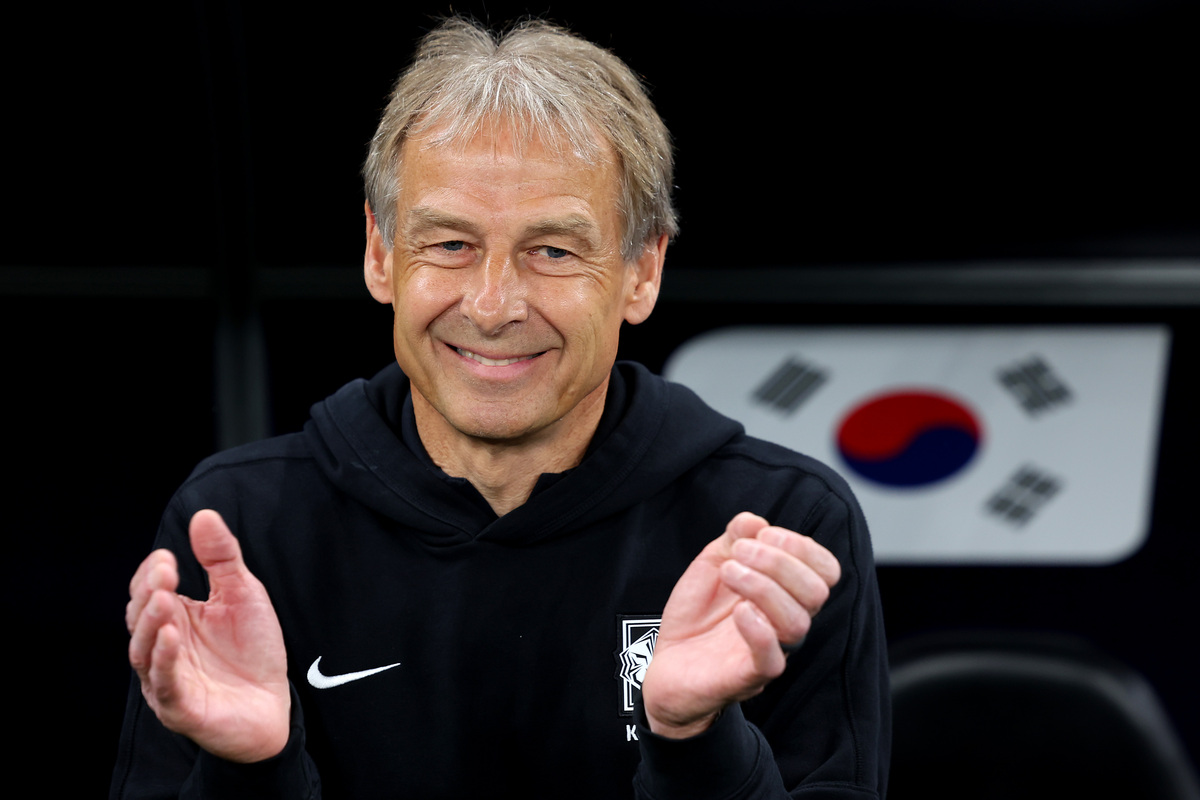
Klinsmann’s Blunt Diagnosis of Italian Football
Former Germany manager and World Cup winner Jürgen Klinsmann has delivered a damning assessment of Italian football, citing a systemic lack of leadership, one-on-one aggression, and faith in youth. Speaking to Corriere dello Sport, Klinsmann—whose deep ties to Italy include playing for Inter and Sampdoria, and whose son currently plays for Cesena—revealed he was left sleepless after Italy’s penalty shootout loss to Bosnia. “I suffered enormously with my Italian friends in Los Angeles,” he said, underscoring his emotional investment in the nation’s footballing fate.
For Klinsmann, the defeat is symptomatic of a deeper malaise. He argues that Italy’s failure to qualify for successive tournaments stems from structural flaws: a risk-averse coaching culture, an overemphasis on avoiding defeat, and a reluctance to empower young players. “Italy is paying for a lack of leaders,” he stated, pinpointing a void in both character and tactical boldness at the heart of the Azzurri’s struggles.
Yamal and Musiala: A Stark Comparison
One of Klinsmann’s most striking observations was his hypothetical treatment of elite teenage talents in the Italian system. “In Italy, Yamal and Musiala would probably be sent to Serie B to gain experience,” he said. The comment cuts to the core of Italy’s conservative development model, where even prodigious talents are often loaned out or benched in favor of seasoned, defensively minded veterans.
Contrast this with Spain and Germany, where 16- and 17-year-olds are regularly starting in top-flight matches and Champions League fixtures. Klinsmann’s remark isn’t just critique—it’s a challenge to Italy’s footballing philosophy. The lack of trust in youth, he argues, stifles creativity and prevents the emergence of game-changing attackers who thrive in one-on-one situations.
A Tactical Mindset in Need of Reform
Beyond personnel, Klinsmann identified a fundamental issue in coaching mentality. “Many coaches still work with the objective of not losing rather than winning at all costs,” he said. This defensive pragmatism, long associated with Italian football, may have brought past glory but now appears outdated in an era defined by high pressing, verticality, and attacking fluidity.
“Italy is paying for a lack of leaders, a lack of players who take on opponents in one-on-one situations, and a lack of trust in young players.” — Jürgen Klinsmann
With the 2026 World Cup on the horizon, Klinsmann’s words serve as a wake-up call. For Italy to return to the elite, it may need to embrace a bolder, more progressive vision—one that nurtures fearless talent rather than shielding it in Serie B.