Tacticsabout 2 hours ago
Enzo Maresca's Quiet Revolution — And Why It Matters
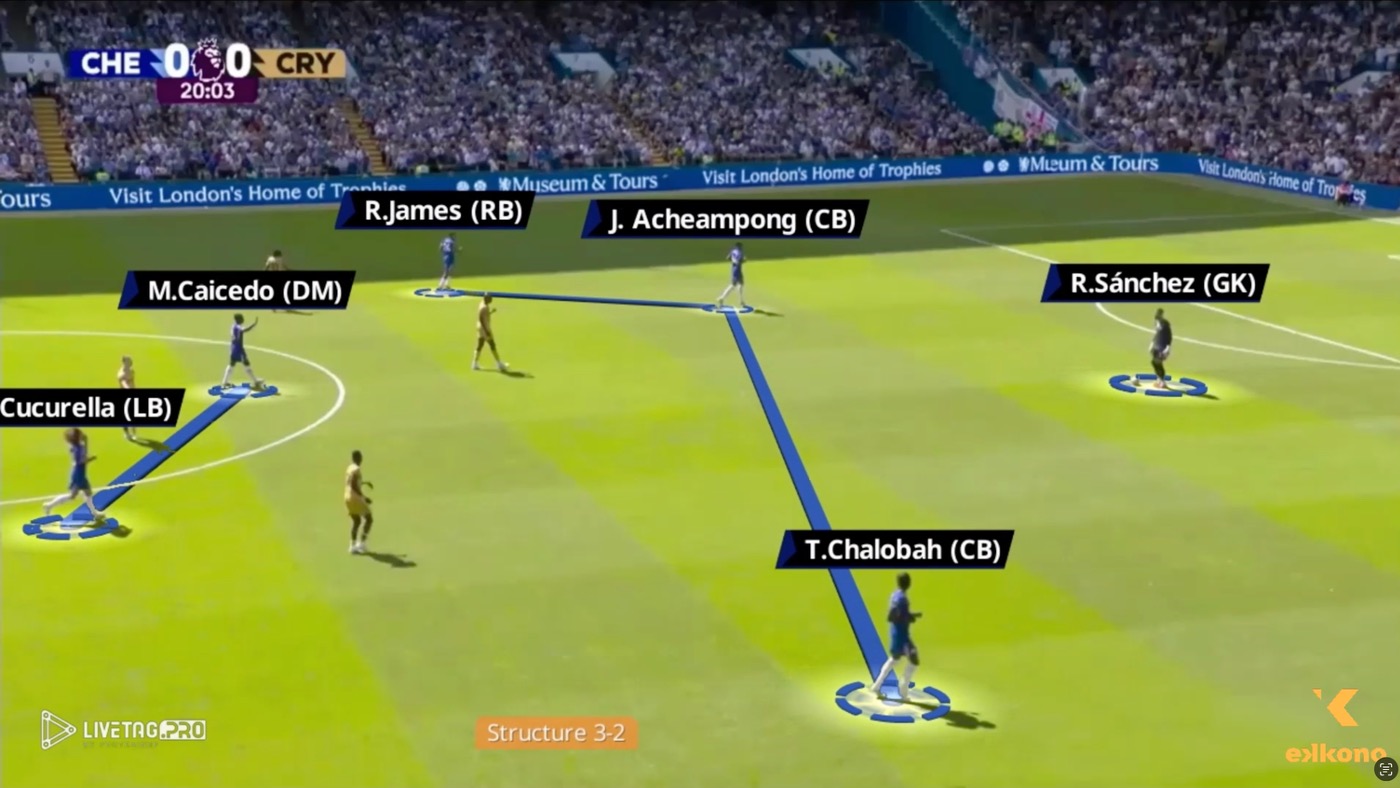
Enzo Maresca is reshaping Chelsea with a disciplined, intelligent system. Here’s how his tactics are transforming the Blues in 2025-2026.


The modern box-to-box midfielder doesn’t just cover ground — he manipulates it. He’s the heartbeat of the team, present in every phase of play.
Unlike a defensive midfielder or a deep-lying playmaker, he surges forward, links attacks, and then tracks back to snuff out counters.
"He must be invisible when he’s not needed — and everywhere when he is" — a Bundesliga tactician
It’s not about running more than others. It’s about running smarter, with purpose.
The best know when to push, when to drop, and when to simply receive and rotate. Timing is everything.
Legends like Lothar Matthäus and Steven Gerrard embodied the classic model: relentless, emotional, all-action.
But today’s game demands more nuance. The old warrior archetype is fading. In its place: the intelligent runner, the tactical connector.
Players like Declan Rice and Eduardo Camavinga are redefining the role — physically dominant, yes, but also technically refined.
At Bayer Leverkusen, Xabi Alonso has implemented a system where the box-to-box midfielder isn’t just a cog — he’s a catalyst.
His players are trained to read transitions, exploit half-spaces, and maintain positional fluidity. It’s structure with freedom.
If the past celebrated stamina, the present rewards spatial awareness. The revolution is quiet — but total.
Alonso’s Leverkusen deploy a 3-4-2-1 where one central midfielder advances while the other holds, creating natural balance.
This asymmetry allows sustained pressure without leaving the backline exposed. The box-to-box man isn’t reckless — he’s calculated.
In England, some managers still hesitate, preferring rigid role separation. But across Europe, the hybrid model is gaining ground.
Manchester City’s use of Rodri shows evolution — even a holder now participates in buildup and late arrivals.
The box-to-box midfielder is no longer a luxury. He’s the tactical glue that holds modern systems together.
Without him, teams risk becoming predictable, static, and ultimately, vulnerable.
The box-to-box midfielder represents football’s rejection of extreme specialization. He is adaptability in cleats.
In an era of data and positional纪律, he remains the unpredictable variable — the human element that disrupts algorithms.
Alonso, once a master of the role, now teaches it. His Leverkusen side may not dominate headlines, but they dominate phases.
The future isn’t a false nine or a wing-back. It’s a midfielder who defends like a soldier and attacks like a creator.
The box-to-box role isn’t dying. It’s evolving. And those who ignore it will be left chasing shadows — forever out of phase.
Enzo Maresca is reshaping Chelsea with a disciplined, intelligent system. Here’s how his tactics are transforming the Blues in 2025-2026.
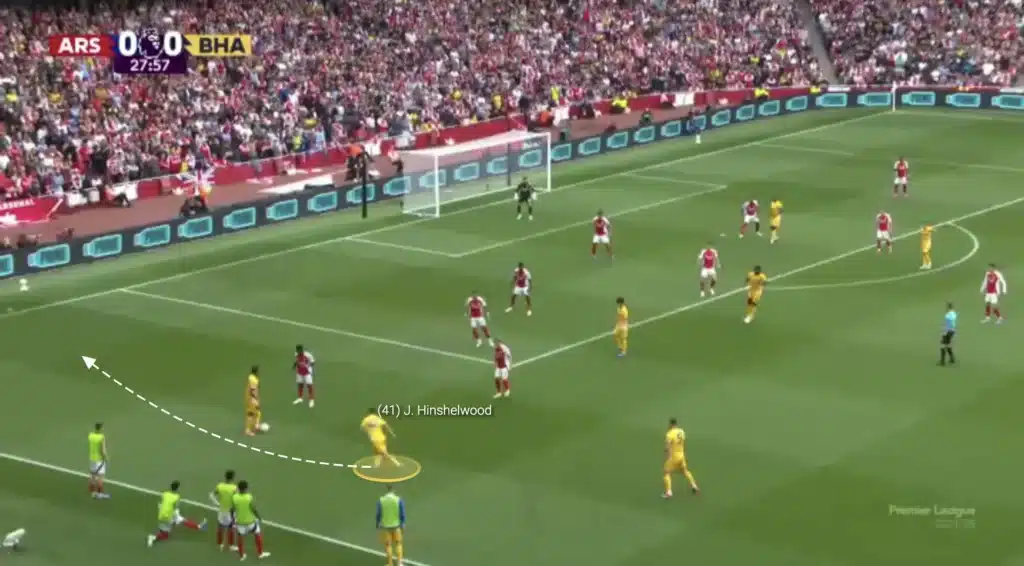
Overlapping full-backs football is reshaping modern tactics. At Marseille, Roberto De Zerbi is turning defenders into dynamic playmakers — here's how.

Arne Slot has turned Liverpool into a tactical predator. The triggers? Precision, patience, and perfect timing.
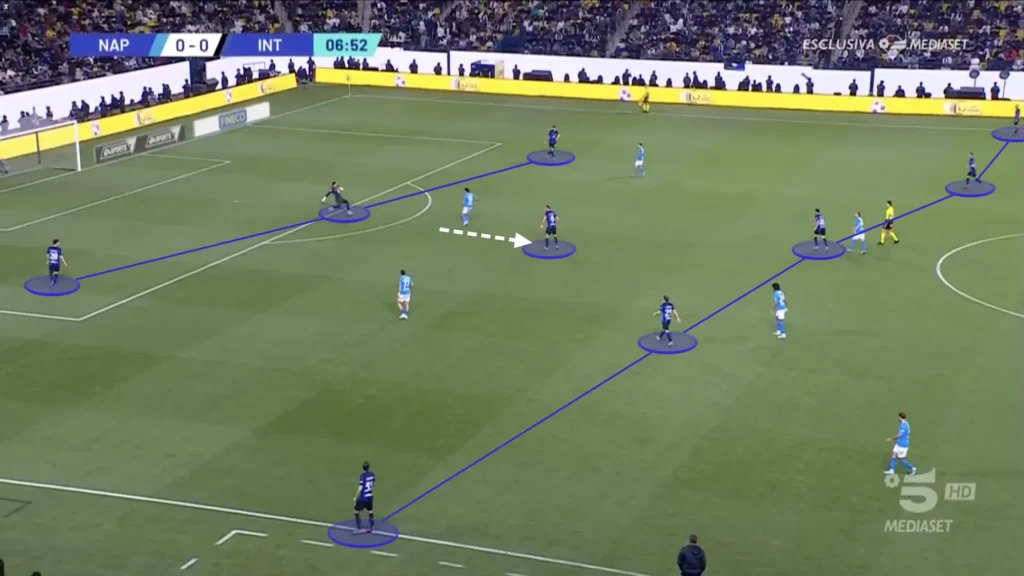
A deep dive into Simone Inzaghi's tactical blueprint at Inter Milan: how structure, discipline, and smart transitions define their success.