analysis24 minutes ago
Lamine Yamal vs Florian Wirtz: The Ultimate Showdown
A data-driven comparison of Lamine Yamal and Florian Wirtz's 2025-26 season stats

After Italy's World Cup 2026 playoff exit, a deep dive into whether their defense was built on tactical brilliance or sheer fortune.
The elimination of Italy in the World Cup 2026 qualifying playoff against Bosnia and Herzegovina has sent shockwaves through Italian football. Missing out on the tournament for the third consecutive time is a historic low for a nation with five World Cup titles. The fallout has been swift and severe: FIGC President Gabriele Gravina resigned, head coach Gennaro Gattuso is expected to follow, and now Gianluigi Buffon has stepped down as delegation chief. This institutional collapse underscores a deeper truth — Italy’s footballing identity, long anchored in defensive mastery, is crumbling under the weight of systemic failure.
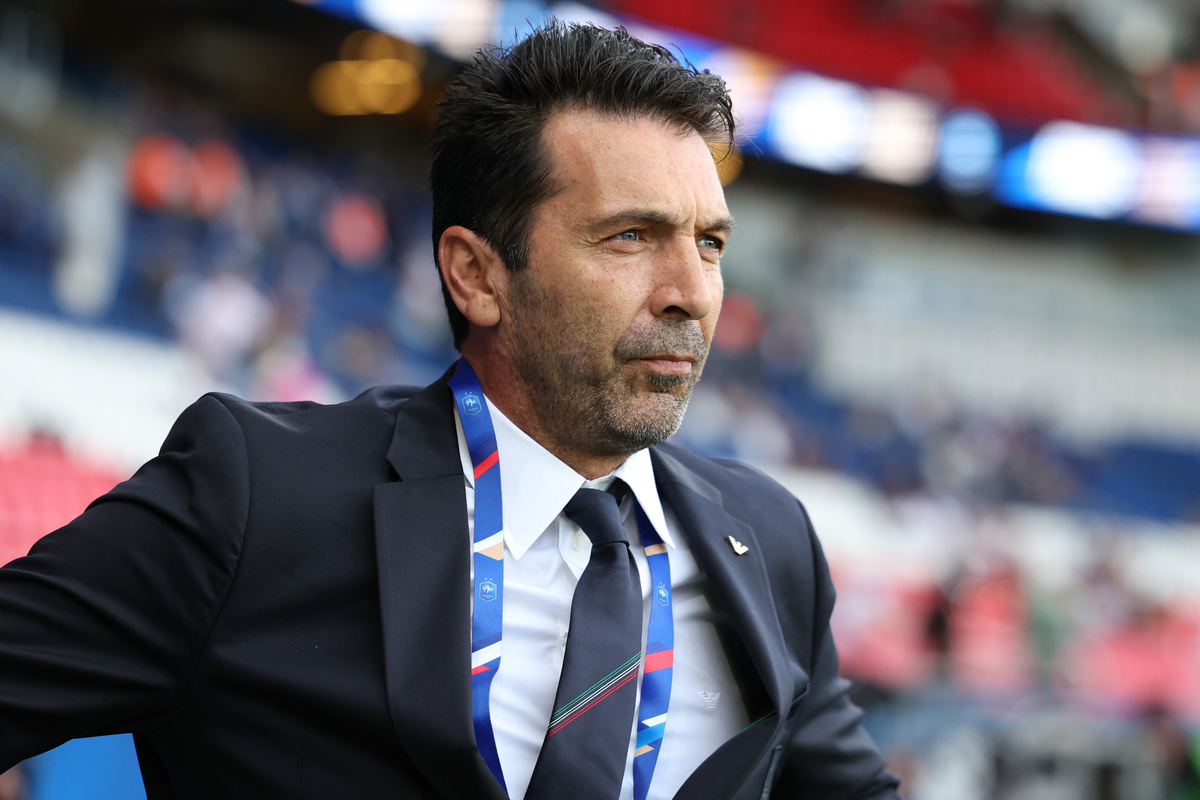
Buffon, in a heartfelt statement on Instagram, confirmed he tendered his resignation immediately after the penalty shootout loss but waited for Gravina’s departure to go public. 'Resigning just after the end of the match was an urgent act, one that came from deep within me,' he wrote. His tenure since summer 2023 was defined by an ambitious vision: to unify youth teams, foster synergy across age groups, and rebuild the pipeline for future senior talent. 'I wanted to structure a project that starts with the very young lads and reaches all the way up to the U21s,' he said. But with no World Cup to show for it, the project ends in heartbreak.
For decades, Italy has been synonymous with defensive excellence. But the numbers from the 2025/2026 qualifying campaign tell a different story. While the Azzurri conceded just 0.9 goals per game on average, their underlying metrics expose fragility. They allowed 13.1 progressive passes into the final third per 90 minutes — among the highest in Europe — and their defensive line was consistently caught high, leaving space for counterattacks.
Under Gattuso, Italy employed a rigid 4-3-3 that often lacked coordination between midfield and defense. The team’s xG (expected goals) against was 1.4 per match, significantly higher than teams like Spain (0.9) or Germany (1.1). Worse, their goalkeeper save percentage was 76%, indicating they relied more on individual brilliance than structured defending. In the Bosnia match, 68% of dangerous attacks came through the central channels — a clear sign of tactical vulnerability. This wasn’t a masterclass; it was survival masked as strategy.
Buffon’s departure leaves a void that extends beyond symbolism. As delegation chief, he was a bridge between generations, a mentor, and a unifying force. His vision for a meritocratic, long-term development model is now at risk. Without continuity, Italy could see another wasted cycle, with young talents either underused or lured abroad by more coherent projects.
On the pitch, the absence from the 2026 World Cup means no high-stakes competitive matches for key players. This lack of pressure-testing could hinder growth, especially for younger defenders who need tournament football to mature. Serie A clubs may also feel the ripple effects, as international exposure boosts player value and recruitment appeal.
“Representing the national team is an honor for me and a passion that has consumed me since I was a boy.” — Gianluigi Buffon
The road ahead for Italy demands radical introspection. The myth of impenetrable defense must be dismantled and rebuilt with modern principles: high pressing, positional discipline, and fluid transitions. The next FIGC leadership must prioritize structural reform over quick fixes. Buffon’s push for experienced figures in youth development was a step in the right direction — it must not be reversed.
Italy’s football culture has always valued pragmatism, but pragmatism without innovation leads to obsolescence. The 2026 failure isn’t just about one match — it’s about a system that failed to evolve. The question now is whether the next generation of leaders will have the courage to change it.
Q: What is the deeper analysis of this story?
A: Italy's elimination reflects deeper structural issues — outdated tactics, lack of youth integration, and institutional instability — not just a single match failure.
Q: How does this affect the Italy standings?
A: Italy will drop in the FIFA World Rankings, affecting seeding in future competitions and reducing their status as a top-tier football nation.