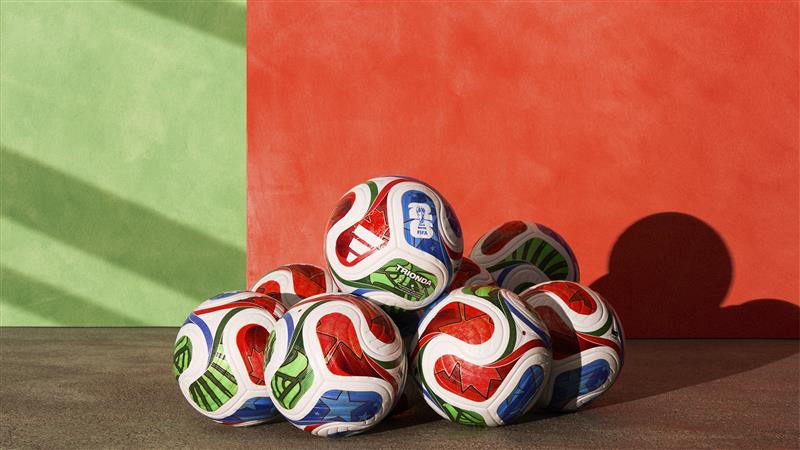
The 48-Team Format Explained: How It Works
The 2026 FIFA World Cup will be historic — not just for being hosted across three nations, but for introducing a groundbreaking 48-team format. For the first time, 48 national teams will compete, divided into 12 groups of four. The top two from each group automatically advance, along with the eight best third-placed teams, creating a 32-team knockout stage. This expansion, approved in 2017 and refined in 2023, aims to boost global inclusion, particularly for African, Asian, and CONCACAF nations.
Group standings will be determined by points, then goal difference, goals scored, and head-to-head results. With more games and deeper squads required, analysts suggest that squad depth and tactical flexibility will be more critical than ever. The expanded format means 104 matches in total — 40 more than in 2022 — testing player endurance and national federation planning.
"This World Cup will reward systems over stars — consistency and rotation could decide champions" — tactical analyst, The Athletic
Key Dates: Opening Match to the Final
The tournament kicks off on June 11, 2026, with the opening match at Estadio Azteca in Mexico City — making it the first stadium to host three World Cups. The United States plays its first match on June 12 in Atlanta. The group stage concludes on June 24, followed by the Round of 32 from June 27–30. Quarterfinals are set for July 3–4, semifinals on July 8–9, and the final takes place on July 19, 2026 at MetLife Stadium in East Rutherford, New Jersey.
Matches will be spread across multiple time zones — primarily Eastern (EDT), Central (CDT), Mountain (MDT), and Pacific (PDT) — ensuring global broadcast coverage. Prime-time slots in Europe will feature afternoon kick-offs in North America. FIFA has confirmed staggered scheduling to reduce fixture congestion, particularly for teams advancing deep into the knockout rounds.
Complete Stadium Guide: All 16 Venues Across 3 Countries
The 2026 World Cup will be co-hosted by the United States (11 stadiums), Mexico (3), and Canada (2). Iconic venues include SoFi Stadium (Inglewood, CA), AT&T Stadium (Arlington, TX), and Mercedes-Benz Stadium (Atlanta, GA). Mexico’s selections — Estadio Azteca, Estadio BBVA (Monterrey), and Estadio Akron (Guadalajara) — highlight its rich football heritage.
Canada will host matches in BC Place (Vancouver) and BMO Field (Toronto), though logistical challenges in Toronto led to debates over pitch quality and fan access. The final at MetLife Stadium (capacity: 82,500) offers a grand stage in the heart of the U.S. media market. All stadiums meet FIFA’s elite standards, with advanced cooling systems, digital ticketing, and enhanced security protocols.
Group Stage: The Groups of Death and Easy Paths
After the April 2026 draw, the Group G — featuring Brazil, Spain, Japan, and Morocco — has been dubbed the 'Group of Death'. All four teams have reached at least the quarterfinals in recent major tournaments, with Japan’s rise in 2023-25 and Morocco’s historic 2022 semifinal run adding intrigue. Meanwhile, Group B (Germany, Ecuador, Tunisia, Qatar) appears more navigable.
Argentina, defending champions, are in Group D with the USA, South Korea, and Slovenia. The U.S. has improved significantly under Mauricio Pochettino, with players like Christian Pulisic and Gio Reyna peaking in the 2025-26 Premier League season. However, Lionel Messi’s final World Cup campaign with Argentina gives them a psychological edge. Group K, with France, Colombia, Egypt, and New Zealand, will be pivotal for Kylian Mbappé, who has scored 32 goals in all competitions this season for Real Madrid.
Knockout Stage Format and New Rules
The knockout phase begins with the Round of 32, expanding the drama from the traditional Round of 16. A new FIFA policy grants extra rest days to group winners, aiming to reward consistency and reduce injury risk. Each team can make five substitutions per match, with a sixth allowed during extra time.
VAR will operate from a centralized hub in Toronto, with real-time medical monitoring introduced for head injuries. While extra time and penalty shootouts remain unchanged, the expanded format increases the likelihood of late drama. Experts believe that the new structure favors well-organized, physically resilient teams — think England 2022 or France 2018 — over flashy, high-risk squads.
- 48 teams in 12 groups of 4; top 2 plus 8 best third-place teams advance
- Tournament runs from June 11 to July 19, 2026
- 16 stadiums across 3 countries: USA (11), Mexico (3), Canada (2)
- Opening match at Estadio Azteca, final at MetLife Stadium
- Group G (Brazil, Spain, Japan, Morocco) is the toughest group
FAQ
Q: When does the 2026 World Cup start and end?
A: The tournament begins on June 11, 2026, with the opening match in Mexico City and concludes with the final on July 19, 2026, at MetLife Stadium in New Jersey.
Q: Where is the 2026 World Cup final being played?
A: The final will be held at MetLife Stadium in East Rutherford, New Jersey, USA, home of the New York Giants and Jets, with a capacity of over 82,500.
Q: How does the 48-team World Cup format work?
A: 48 teams are divided into 12 groups of 4. The top two from each group and the 8 best third-placed teams advance to the Round of 32, creating a 32-team knockout stage.