
Tacticsabout 2 hours ago
Liverpool’s Quiet Pressing Revolution — And Why It Matters
Arne Slot has turned Liverpool into a tactical predator. The triggers? Precision, patience, and perfect timing.

Antonio Conte isn’t just managing Napoli — he’s rebuilding Italian football in his own image: a war machine disguised as a football team.
Conte’s devotion to the 3-4-3 is no secret — it’s a religion. At Napoli, this shape isn’t adapted; it’s imposed. Three centre-backs, two aggressive wing-backs, a double pivot shielding the defence, and a front three that fluidly rotates. This isn’t flexibility for flair — it’s structure for domination.
The formation creates natural overloads on the flanks, especially down the right wing, where the wing-back and inside forward combine relentlessly. The width isn’t just offensive — it stretches the opposition, creating vertical channels through the middle.
"The 3-4-3 isn’t a tactic — it’s a way of life" — a senior Napoli staffer
Conte demands his central defenders be comfortable in possession, but never at the expense of defensive discipline. One, typically the right-sided centre-back, must possess advanced spatial awareness to launch transitions. This subtle asymmetry forces opponents into reactive decisions — and mistakes.
And if this system looks rigid? That’s the illusion. Within its steel frame, Conte engineers chaos.
Conte’s pressing isn’t reactive — it’s predatory. It’s not triggered by individual instinct, but by collective intelligence. The front three and midfield duo move as a unit, compressing space and cutting passing lanes before the opponent can breathe.
The striker acts as the initial trigger, but it’s the box-to-box midfielder who controls the rhythm of the press. The moment possession is lost in the final third, Napoli snap into action — not chasing, but trapping.
The three centre-backs stay narrow, refusing to be pulled out of position. The risk? Gaps between the lines. The reward? A central block so compact it suffocates number 10s and false nines.
Conte abhors individual errors. Every movement is drilled until it’s instinctive: when to step, when to hold, when to pounce. Mistakes aren’t tolerated — they’re corrected with fury.
And if the press fails? The fault lies not with a player, but with the system — and the system always demands retribution.
Building from the back under pressure is a high-wire act. Conte’s solution? Hierarchy. The goalkeeper plays short, the centre-backs split, and one midfielder drops deep. But not just any midfielder.
It’s the defensive pivot who drops to receive — becoming the team’s metronome, the tempo-setter. His job isn’t to dazzle, but to decide: play long, switch flanks, or go vertical. Every touch must have purpose.
The real danger emerges in transition. The moment Napoli win the ball, the wing-backs explode forward. The right flank, in particular, becomes a weapon of mass creation. The inside forward drifts into pockets, forcing the opposition to choose: follow him and leave space, or stay and risk being bypassed.
Conte despises sideways passing. Every pass must displace the opponent or create a numerical advantage. Possession is not an end — it’s a means to an explosion.
And if tiki-taka is about control, Conte’s game is about destruction: the ball only matters when it kills.
For Conte, set pieces aren’t luck — they’re science. Napoli’s corners and free kicks are rehearsed with military precision. Every player has a role, every movement a purpose, every variation a hidden trigger.
On corners, the goalkeeper often steps out to occupy a marker, creating a 1v1 in the box. Two attackers target the near post, one the far, while a midfielder stays deep for a quick counter if the ball is cleared.
Free kicks are rarely direct shots. Conte prefers short routines or floated balls into the six-yard box for a runner. The objective isn’t the golazo — it’s the cold, clinical finish.
Defensively, Napoli form a human wall of six or seven. Zonal marking is mixed with man-to-man assignments. No space is left unguarded.
And if most teams see set pieces as chance — for Conte, they’re execution.
Conte’s system collapses without the right personnel. The right wing-back isn’t just a full-back — he’s an attacking winger who must track back. He needs relentless stamina, pinpoint crossing, and tactical discipline to avoid being exposed.
The striker isn’t just a goal-scorer — he’s the first defender. He must press, block, and hold up play. His value isn’t just in goals, but in disruption.
The box-to-box midfielder is the heartbeat. He covers ground, scores goals, and leads the press. Without him, the 3-4-3 becomes a disjointed 4-4-2.
Conte doesn’t want superstars. He wants soldiers with skill. And if the most talented players refuse to obey? Good — he’d rather have loyalty than flair.
To beat Conte, you must accept losing the ball. Invite Napoli to build, then punish them on the break. Target the spaces behind the advanced wing-backs. Use a double striker or false nine to confuse the three centre-backs.
The left side is often less aggressive. Exploit it with a direct, pacy winger. The gap between the left centre-back and left wing-back is a recurring vulnerability.
You must also bypass the defensive pivot with quick vertical passes. The box-to-box midfielder can’t cover everything. Play fast, play direct, and strike before the structure resets.
And if the real weakness isn’t tactical but mental? Conte demands superhuman focus. One lapse — and the machine breaks down.
Arne Slot has turned Liverpool into a tactical predator. The triggers? Precision, patience, and perfect timing.
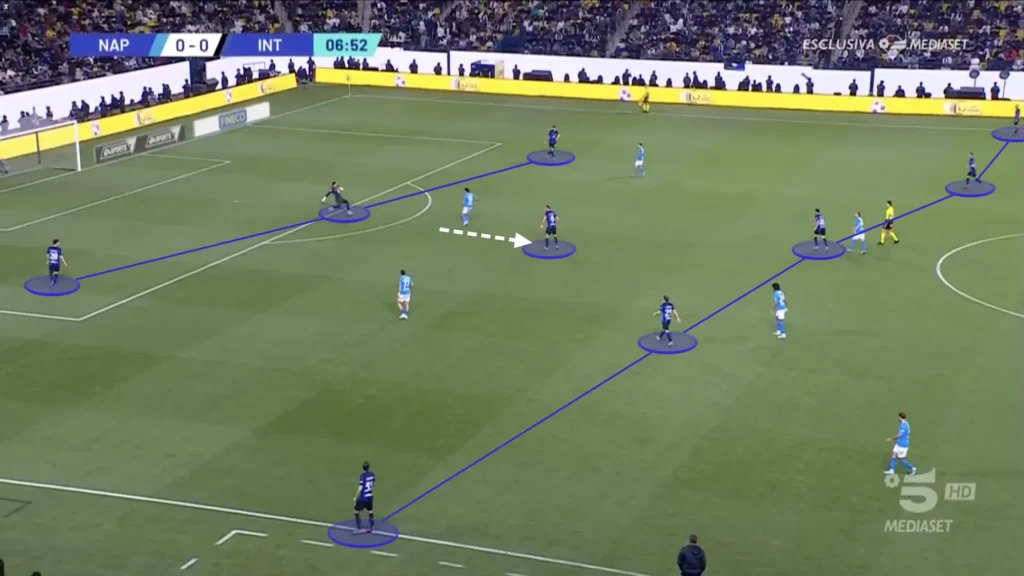
A deep dive into Simone Inzaghi's tactical blueprint at Inter Milan: how structure, discipline, and smart transitions define their success.

Tiki-taka has evolved. Will Still at RC Lens is leading the charge. Here’s how possession football changed since Guardiola.
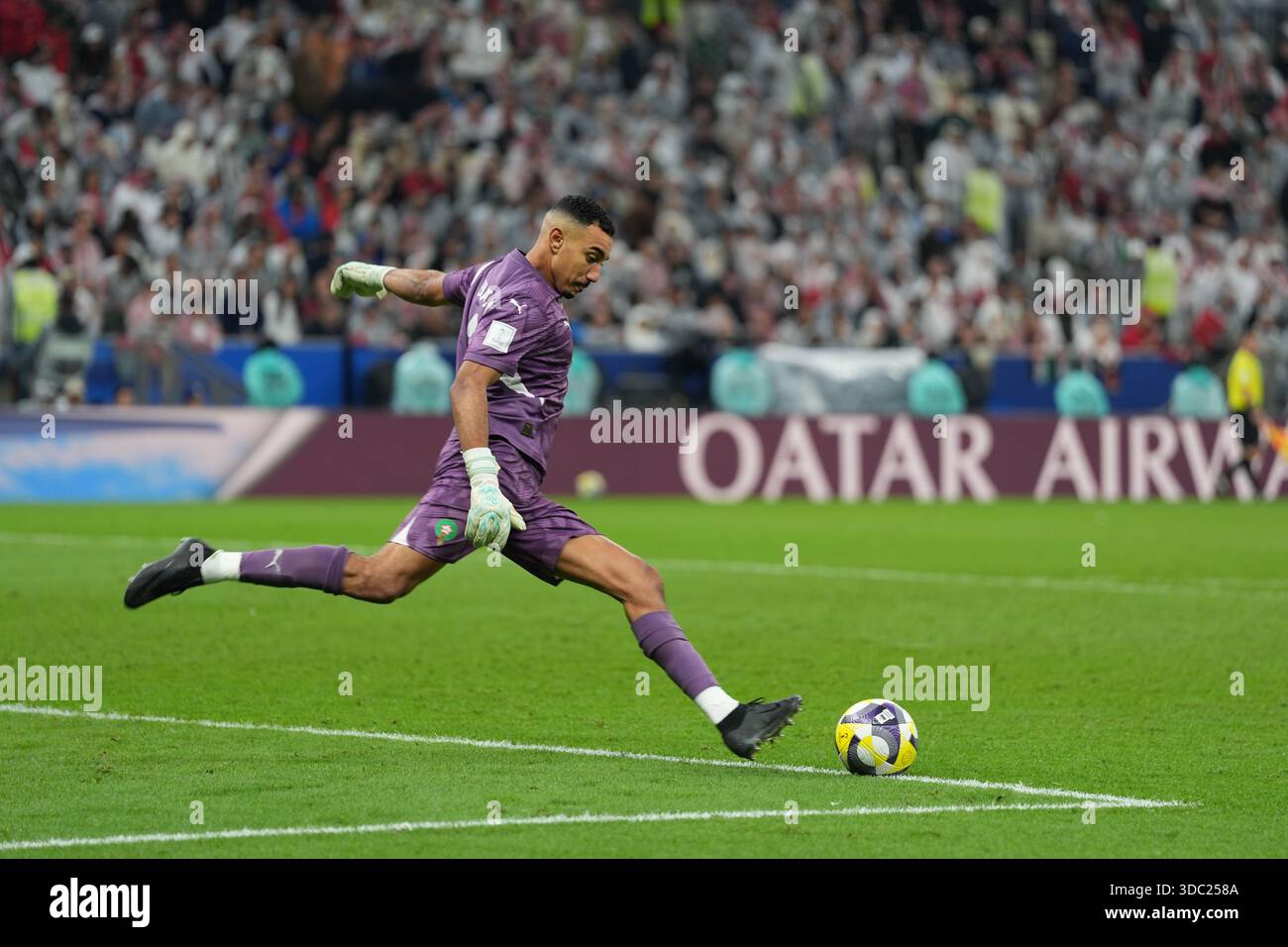
From Neuer to Xabi Alonso's Leverkusen, the ball-playing goalkeeper has reshaped modern football. Here's how it works in 2026.