
Tacticsabout 3 hours ago
Conte's Quiet Revolution at Napoli — And Why It Changes Everything
Antonio Conte has rebuilt Napoli in his image: a relentless, tactical machine built on discipline, structure, and explosive transitions.

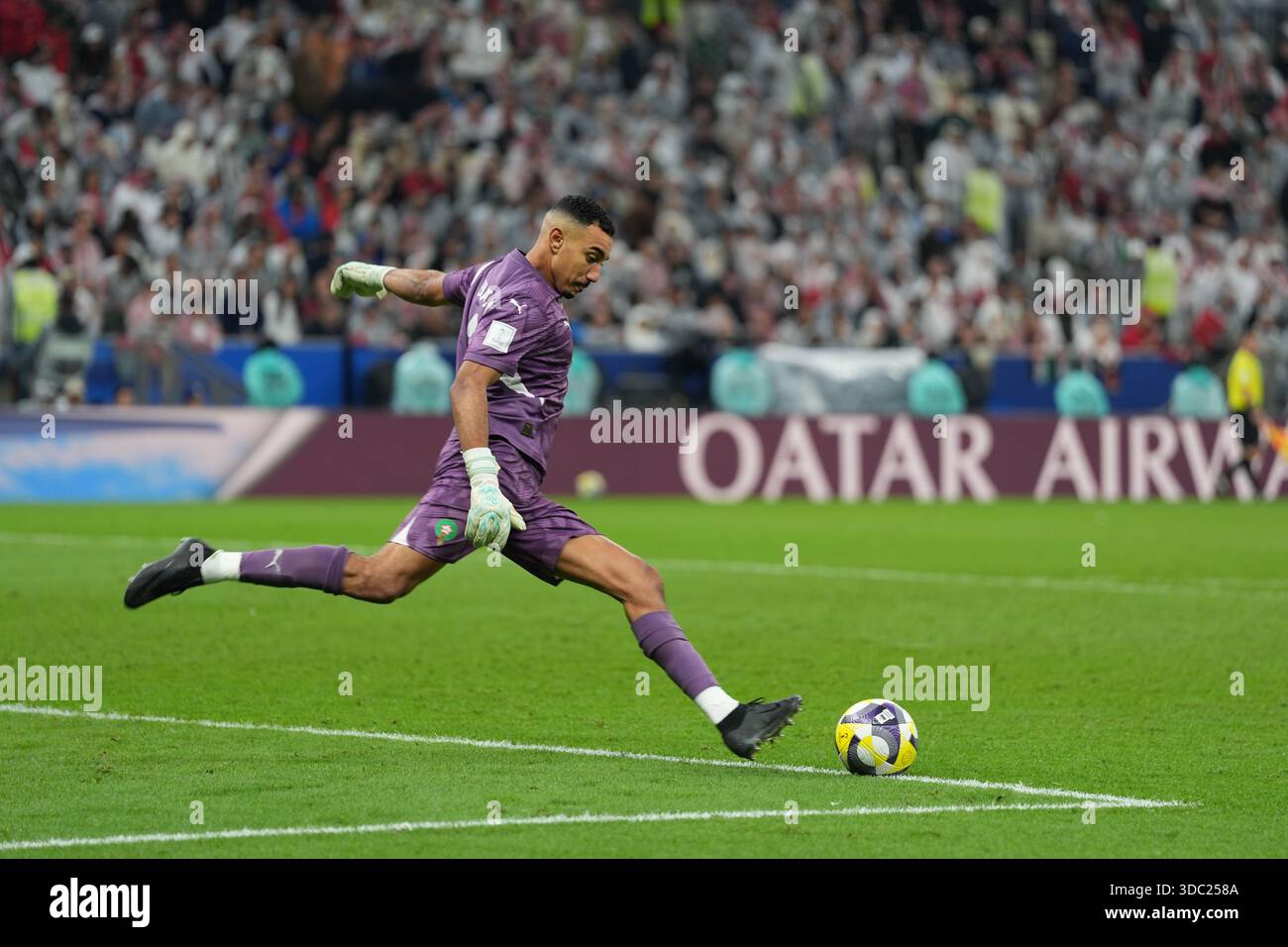
A ball-playing goalkeeper is one who actively participates in passing sequences. Not just with long kicks, but with short, precise distribution under pressure.
They’re trained to act as an extra outfield player during build-up. This helps bypass high presses and maintain possession. It’s no longer optional — it’s expected at elite clubs.
The shift began with Manuel Neuer at the 2014 World Cup. His ability to sweep behind the defence and launch attacks redefined the role. He wasn’t just a shot-stopper — he was a sweeper-keeper.
“He’s the first defender, not the last,” said Joachim Löw.
Later, Marc-André ter Stegen at Barcelona pushed the idea further. Under Luis Enrique and Valverde, he regularly passed the ball out with composure, even from tight spaces.
At Bayer Leverkusen, Xabi Alonso has built a possession-based system. His goalkeeper is believed to be among the top performers this season in build-up situations.
The team often faces high presses. To counter this, the keeper steps forward, receiving back-passes outside the box to switch play or find a free man. This creates a 11v10 in build-up phases.
This approach has helped Leverkusen dominate midfield battles in the Bundesliga and Champions League.
The best way is a double trigger press: one forward targets the centre-back, another cuts the keeper’s passing lane. But it requires perfect timing.
If the keeper is drawn out, a quick through ball or lob can exploit the space. Hugo Lloris was beaten by Mbappé in 2018 this way — a reminder of the stakes.
Still, teams like Liverpool and City accept the risk for the tactical gain.
Modern formations demand numerical superiority in build-up. A keeper who can pass accurately gives a team an extra passing option.
Academies now train young keepers in ball control, vision, and decision-making. The reflexes are still vital — but so is the football brain.
Antonio Conte has rebuilt Napoli in his image: a relentless, tactical machine built on discipline, structure, and explosive transitions.
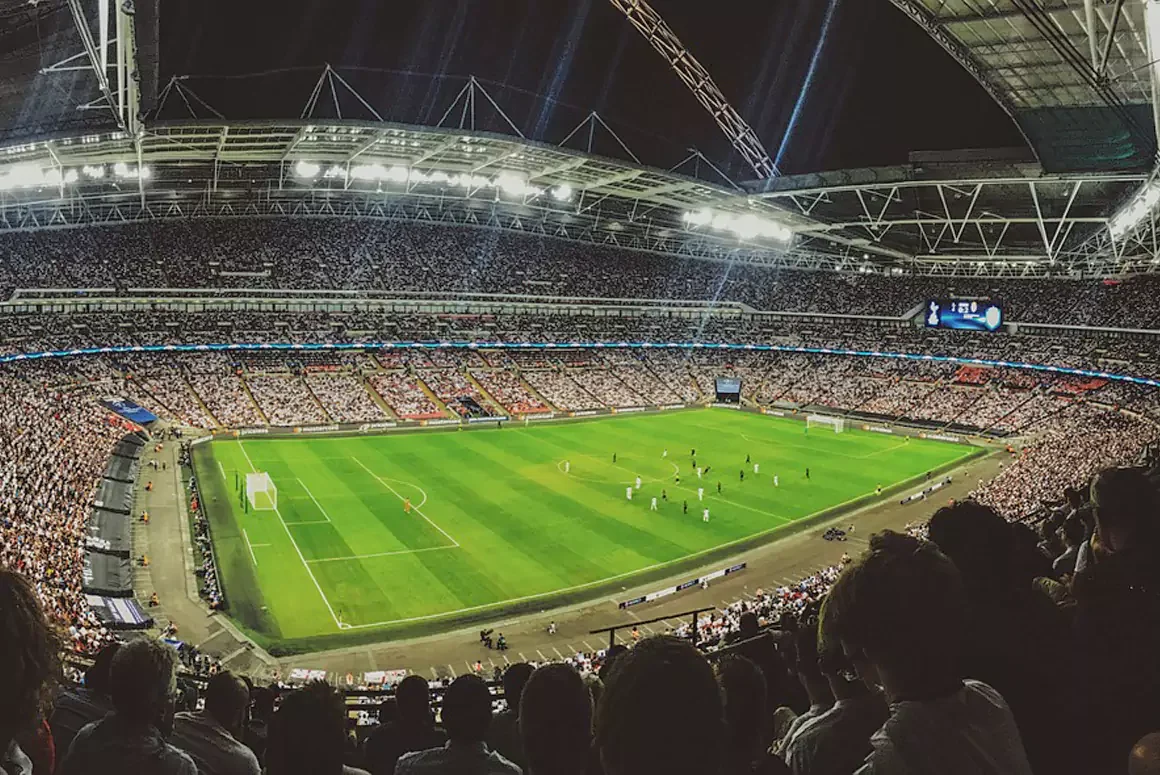
Tiki-taka has evolved. Will Still at RC Lens is leading the charge. Here’s how possession football changed since Guardiola.
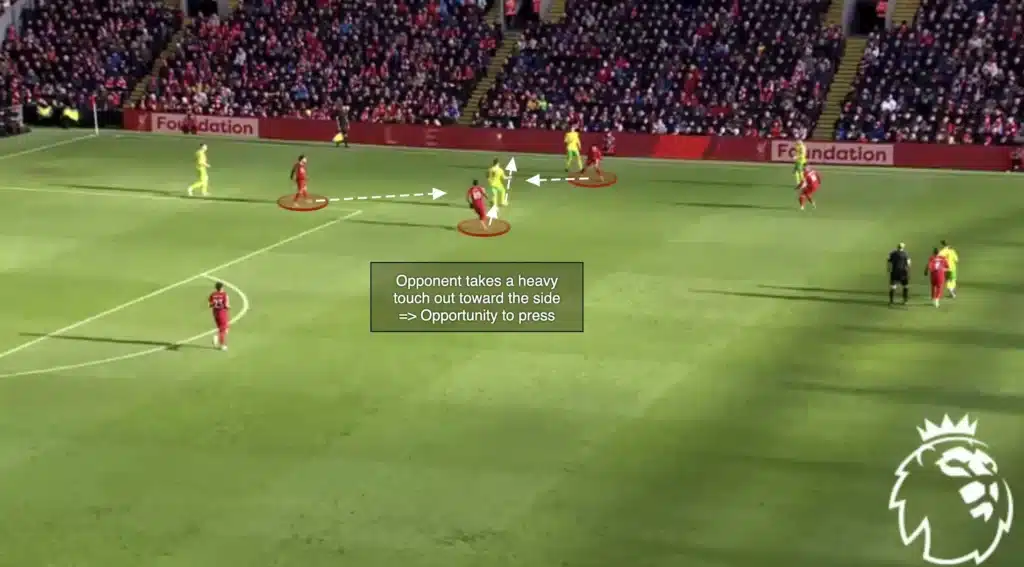
Pressing triggers are the hidden mechanics behind elite defensive systems, turning ball recovery into a precise science.
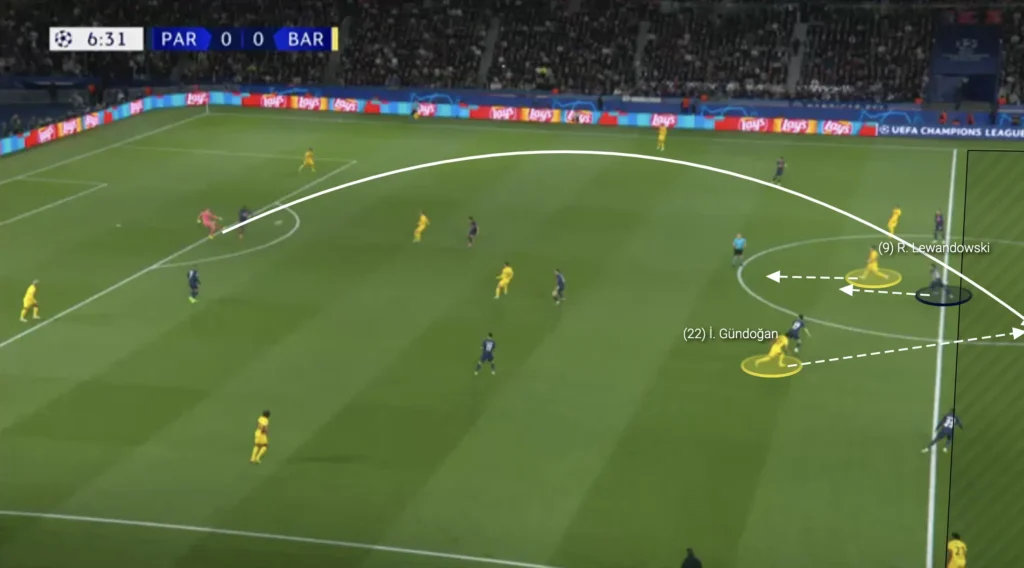
The false nine isn't just a position — it's a tactical earthquake reshaping modern football. Here's how it works in 2026.