Tacticsabout 3 hours ago
The Ball-Playing Goalkeeper's Quiet Revolution — And Why It Matters
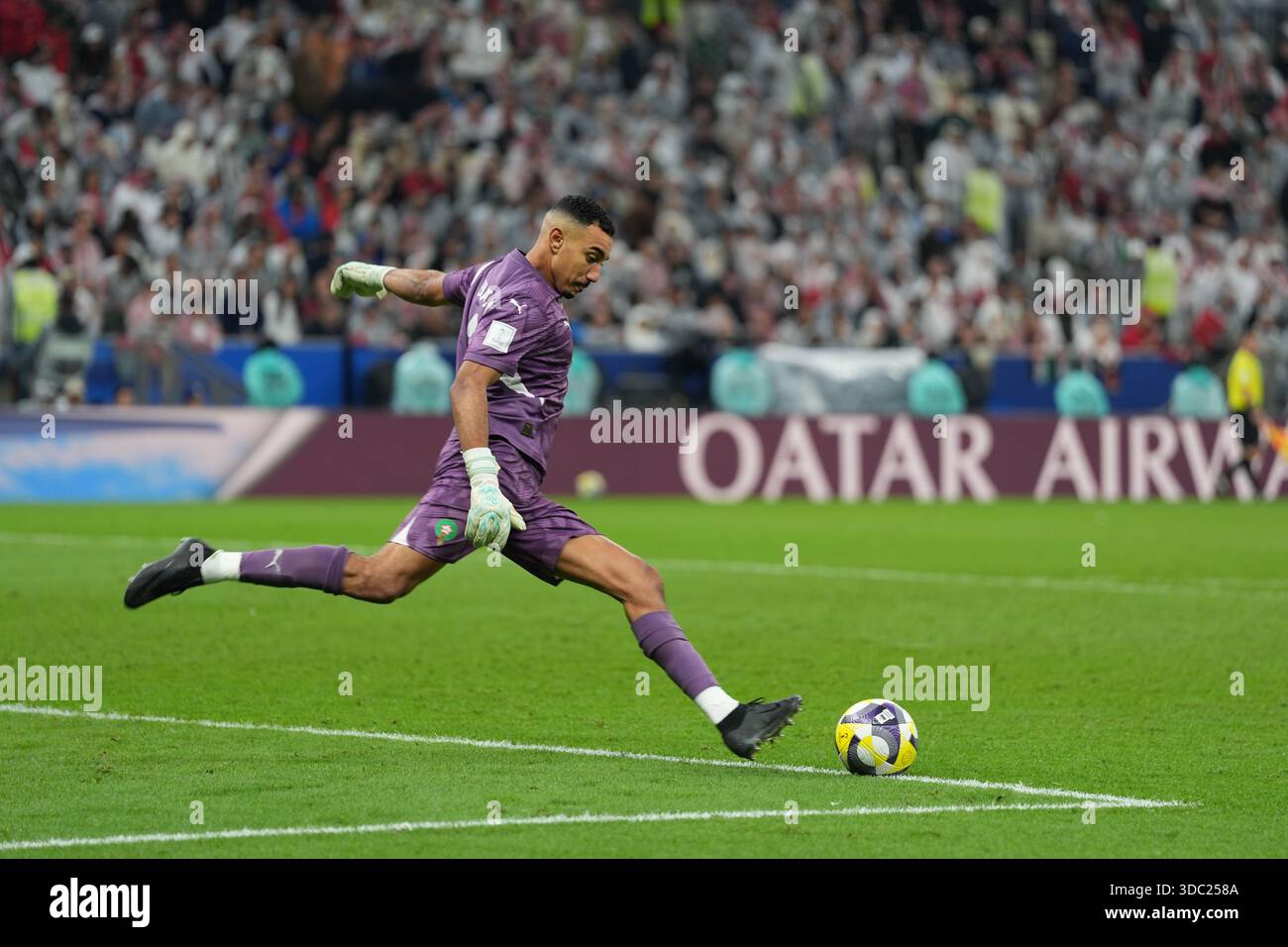
The ball-playing goalkeeper football role is transforming modern tactics. From Neuer to Napoli under Conte, here's how it works in 2026.

Hansi Flick hasn’t just changed Barcelona’s formation — he’s erased the tiki-taka dogma and replaced it with ruthless efficiency.

The 4-2-3-1 is the base formation, but in reality, it morphs continuously. In possession, the double pivot often drops deep, creating a 3-1-6 or even a 2-1-7 structure depending on opposition pressure.
The full-backs push high, but rarely together. One stays deep as cover while the other overlaps, creating overloads with the inverted winger.
The system isn’t static — it’s a tactical fluid that demands constant shape-shifting from every player.
This flexibility stretches opponents without sacrificing balance. The central midfielder plays a dual role: linking play and initiating press traps.
Sound familiar to Bayern 2013 fans? Flick is repeating his blueprint, but with Catalan flair — more technique, less physical dominance.
Pressing isn’t random. It follows a V-shape trigger: two forwards target the central defender, forcing play wide, where midfielders and full-backs close passing lanes.
The number 6 acts as a destroyer, but with licence to step up and engage high. It’s a calculated risk — if he misses, the space behind is vast.
Centre-backs are constantly ready to step up and intercept, especially against long-ball teams. This is anticipation, not reaction.
How has a club once known for defensive fragility become so disciplined? Flick has imposed a culture of total effort — and those who don’t comply are benched.
Barcelona no longer revolves around a traditional number 10. The false nine drags defenders out, freeing the attacking midfielder to exploit the gaps.
Build-up starts with the goalkeeper, often playing short. The right-footed and left-footed pivot alternate to avoid one-sided pressing traps.
Wingers cut inside aggressively, forcing full-backs to hesitate. That’s when the number 10 strikes between the lines.
It’s no longer about dominance — it’s about killing. Every pass has a lethal intent.
Was tiki-taka really killed by inefficiency — or by its own safety? Flick has chosen danger as philosophy.
Short corners are now a signature. Barcelona fake the near post delivery, then play short to a midfielder who either shoots or recycles.
From wide free-kicks, direct shots are common. The set-piece specialist is trained to curl with pace and dip, forcing walls to retreat.
Finishing threats in the box are prioritised over aerial dominants — more first-time finishers, fewer pure headers.
How does such a young team master set pieces so quickly? It’s the result of obsessive, military-grade repetition.
The double pivot isn’t symmetrical. One is a destroyer, the other a playmaker. Their synergy is non-negotiable.
The left winger is often the most aggressive — pressing, cutting in, and shooting without hesitation. He embodies the new Barça’s ferocity.
The false nine must possess elite tactical IQ. He may not score, but he dictates the game’s rhythm.
Is Flick’s real genius not in tactics, but in player profiling? Each man is a perfect cog in the machine.
The ball-playing goalkeeper football role is transforming modern tactics. From Neuer to Napoli under Conte, here's how it works in 2026.
The half-spaces are no longer just zones — they're the engine of modern football. Here's how they're reshaping the game.

A deep dive into Luis Enrique's tactical blueprint at PSG: how his 4-3-3, intelligent pressing, and key roles are reshaping the team.

Roberto De Zerbi is reshaping Marseille with bold, progressive tactics. A deep dive into his formation, pressing, and the key roles driving his system.