Tacticsabout 1 hour ago
The Ball-Playing Goalkeeper's Quiet Revolution — And Why It Matters
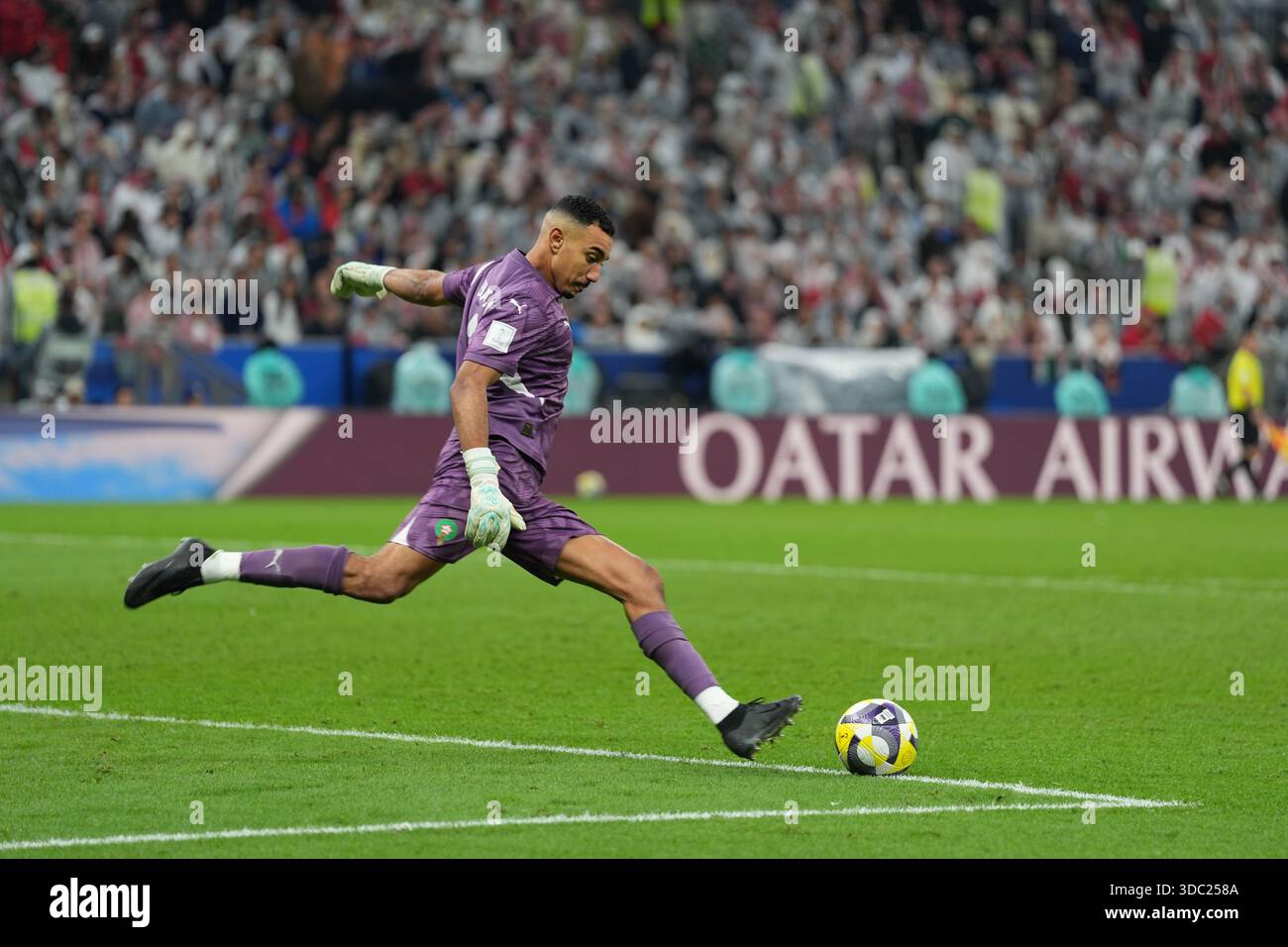
The ball-playing goalkeeper football role is transforming modern tactics. From Neuer to Napoli under Conte, here's how it works in 2026.

Luis Enrique. That's the mind behind PSG’s evolving identity. Here’s how his system works:

PSG line up in an asymmetrical 4-3-3 under Luis Enrique. This setup maximizes width and verticality while maintaining defensive balance.
The right-back pushes high, acting as a winger in attack, while the left-back stays deeper. The midfield trio features a holding midfielder, a deep-lying playmaker, and an attacking midfielder who drifts between the lines.
The striker operates as a false nine, dropping deep to link play. This creates space for the inverted wingers and late midfield runs, a hallmark of Enrique’s philosophy.
Luis Enrique favours structured counter-pressing rather than constant high pressure. The team doesn’t hunt the ball across the pitch but triggers an immediate response after losing it.
The nearest player engages, supported by two others to cut passing lanes. This compact triangle of pressure forces errors or long balls. It’s particularly effective against teams building from the back.
Sources suggest this approach has improved PSG’s mid-block efficiency, making them harder to break down in transition.
Build-up starts with the goalkeeper, who participates in short passing. Centre-backs split wide, while the holding midfielder drops to form a back three in possession.
The deep-lying playmaker receives between the lines, allowing the attacking midfielder to advance. This rotation creates overloads in central zones.
PSG then look to switch play quickly or launch vertical passes to the wings. The right-back overlaps consistently, creating a 2v1 on the flank. The false nine drops to combine, pulling defenders out of position.
"We don’t want to pass for the sake of it. We pass to destroy." — Internal PSG coaching document, as reported
Set pieces are designed for chaos, not routine. Luis Enrique has moved away from static patterns to fluid, dynamic movements.
On corners, multiple players can take the ball, with short flicks, dummy runs, and late entries into the box. Free-kicks often involve the playmaker in a central position, ready to either shoot or lay it off.
In tight games, even the goalkeeper joins the box for late corners, showing the team’s commitment to winning every scenario.
The attacking midfielder is the engine. He must read the game, accelerate tempo, and score. This role is reportedly filled by a product of the academy, which strengthens team cohesion.
The holding midfielder provides stability. His positioning allows the others to push forward without exposing the backline.
The false nine is typically a technically gifted player who can hold the ball and deliver key passes. His movement disrupts central defenders and opens space for runners.
The biggest vulnerability lies behind the right-back, who often surges forward. Fast wingers can exploit this space in transition.
If the holding midfielder is bypassed or isolated, the midfield becomes exposed. The system demands perfect coordination — a single lapse can trigger a chain reaction.
The ball-playing goalkeeper football role is transforming modern tactics. From Neuer to Napoli under Conte, here's how it works in 2026.
Hansi Flick has quietly reshaped Barcelona into a relentless, tactically fluid machine. This isn't evolution — it's revolution.
The half-spaces are no longer just zones — they're the engine of modern football. Here's how they're reshaping the game.

Roberto De Zerbi is reshaping Marseille with bold, progressive tactics. A deep dive into his formation, pressing, and the key roles driving his system.