The Bigger Picture: Context That Matters
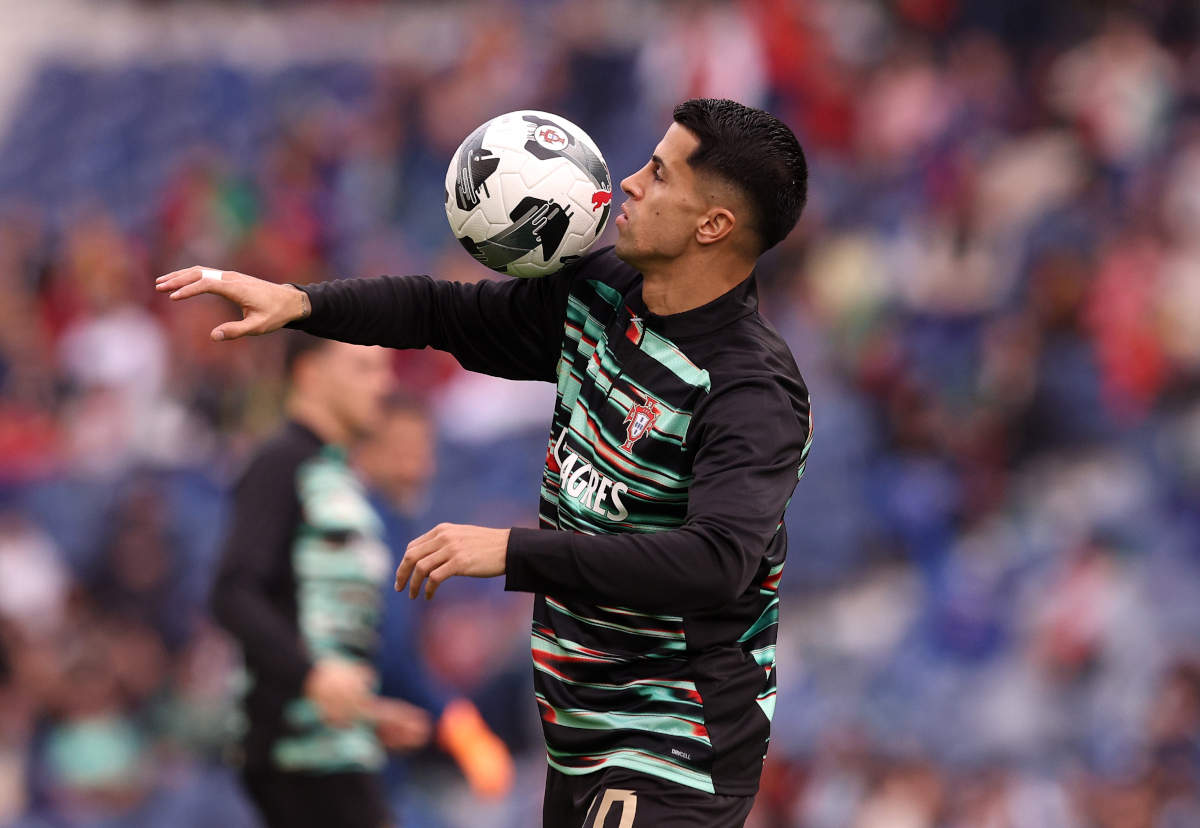
In 2026, Barcelona stands at a crossroads—not just in terms of transfer strategy, but of identity. The public plea from João Cancelo, currently on loan from Al-Hilal, for Bernardo Silva to join either Barcelona or Benfica, is more than a sentimental nod to national pride. It’s a stark admission that the club no longer commands the gravitational pull it once did. At a time when Juventus are already in talks to secure Silva on a free transfer, Barcelona’s interest remains aspirational, constrained by financial instability and a lack of long-term planning.
The golden generation that emerged post-Messi—featuring Pedri, Gavi, and Ansu Fati—was supposed to carry the club into a new era. Instead, injuries, mismanagement, and inconsistent selection have derailed their development. Gavi’s long-term absence due to ACL damage, Pedri’s recurring muscular issues, and Fati’s failed reinvention have left a void no amount of loan signings can fill. Meanwhile, clubs like Benfica have mastered the art of regeneration, selling high and reinvesting wisely—something Barcelona has failed to replicate since its last Champions League triumph.
“Playing for Barcelona is like playing for Benfica,” Cancelo said. “You do it out of love.”
Tactical Breakdown: What the Data Shows
Statistically, Barcelona’s 2025/2026 campaign reveals a team in tactical limbo. Despite averaging 59% possession—the second-highest in La Liga—they rank only fifth in goals scored (1.3 per game). Their xG (expected goals) of 1.45 per match suggests underlying offensive potential, but clinical finishing remains a persistent issue. More troubling is the midfield’s inability to transition from buildup to incisive play. Without a player like Bernardo Silva—someone who combines vision, close control, and intelligent movement—Barcelona’s attacks often stall in the final third.
Historically, Barcelona’s midfield trio (Busquets-Xavi-Iniesta) dictated tempo and created space through triangulation. Today’s setup lacks that synergy. Frenkie de Jong is often isolated, while younger players lack the experience to control high-stakes games. Compared to Juventus’s structured 4-2-3-1 under Thiago Motta, which emphasizes balance and compactness, Barcelona’s 4-3-3 appears rigid and predictable. In their last five league games, they’ve created only 2.1 big chances per match, down from 3.4 in 2022/23.
Key Takeaways for the Rest of the Season
With the season entering its decisive phase, Barcelona sits third in La Liga, three points behind Real Madrid and level on points with Girona. Their Champions League campaign hangs in the balance after a narrow round-of-16 win over Porto. A quarter-final clash with Borussia Dortmund looms, testing their ability to compete at the highest level. Yet, the recurring issue remains squad depth and leadership.
Cancelo’s loan expires in June, and his future depends on Al-Hilal. Bernardo Silva’s decision—whether to join Juventus, Barcelona, or return to Portugal—will signal where elite players see the balance of power in European football. For Barcelona, signing Silva wouldn’t just be a sporting upgrade; it would be a symbolic reclamation of relevance. But without financial flexibility or a clear project, even a free transfer is far from guaranteed.
What This Means Going Forward
The deeper issue isn’t just about one transfer. It’s about Barcelona’s failure to evolve. The club that revolutionized modern football now finds itself reactive, chasing trends instead of setting them. The reliance on loan deals (Cancelo, Depay, Christensen) reflects a stopgap mentality. Meanwhile, Benfica and Porto continue to export talent profitably while maintaining continental competitiveness.
To reclaim its status, Barcelona must rebuild its football philosophy from the ground up—starting with La Masia, stabilizing its finances, and appointing a sporting director with a coherent vision. The romantic notion of playing “out of love,” as Cancelo suggests, cannot replace professional structure. The era of emotional appeals must end. The future belongs to clubs that blend sentiment with strategy—and right now, Barcelona is falling short on both.
- Barcelona’s golden generation has been undermined by injuries and poor management.
- Tactically, the team lacks creativity and transition efficiency in midfield.
- Financial constraints limit their ability to sign players like Bernardo Silva.
- Loan signings indicate a lack of long-term planning.
- Benfica and Juventus represent more stable, ambitious projects in 2026.
FAQ
Q: What is the deeper analysis of this story?
A: Cancelo’s comments highlight Barcelona’s diminished appeal and structural weaknesses, exposing a club struggling to transition from its post-Messi era without a clear sporting or financial strategy.
Q: How does this affect the Barcelona standings?
A: Without key reinforcements, especially in midfield, Barcelona risks finishing outside the top two in La Liga and exiting the Champions League early, continuing its decline in European prestige.