A Turning Point for Italian Football
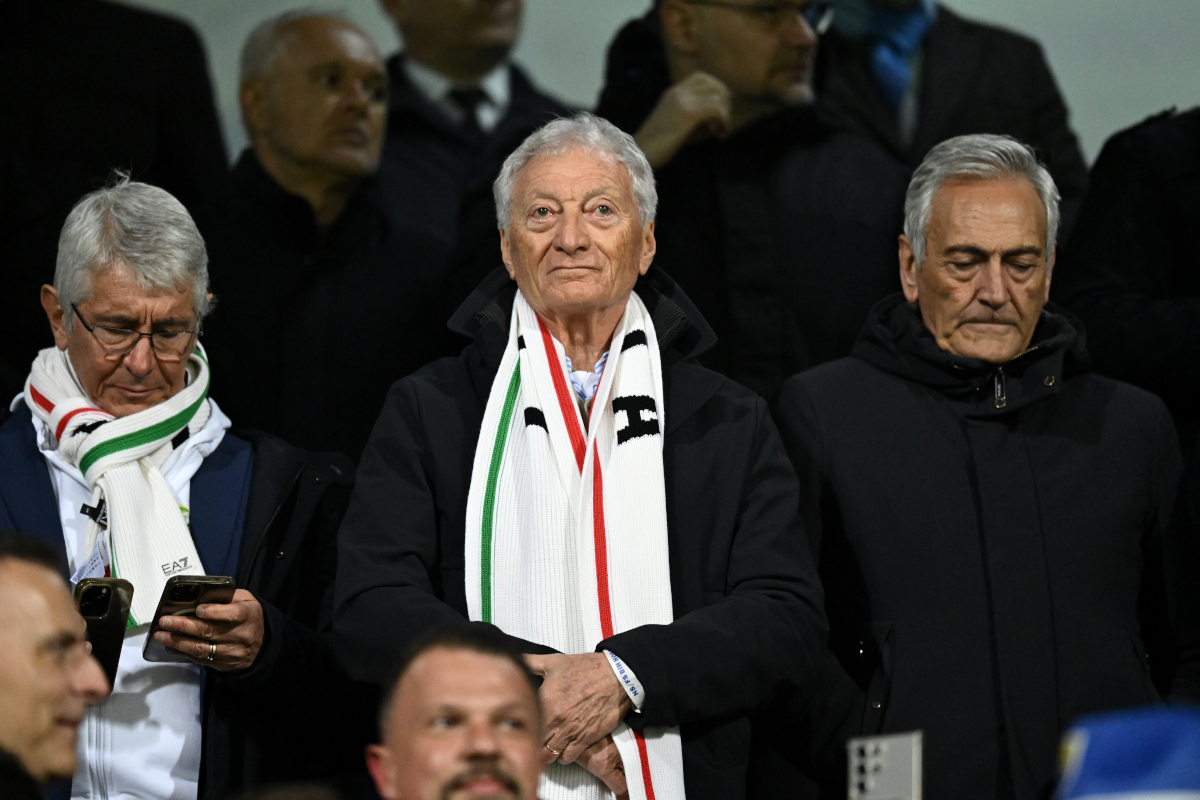
The resignation of Gabriele Gravina, president of the Italian Football Federation (FIGC), marks a pivotal moment for a national game in crisis. Announced during an emergency meeting on June 19, 2025, the move follows Italy’s failure to qualify for a third consecutive World Cup — a historic low since their 2006 triumph. The shockwaves have reverberated across the sport, with the Players’ Association (AIC) and Coaches’ Association (AIAC) calling for sweeping reforms to revive the national team and domestic structure.
Umberto Calcagno, president of the AIC, welcomed the resignation as a long-overdue opening for change. 'Finally there is talk about something we’ve been pushing for a long time,' he said, highlighting the lack of playing time for Italian players in Serie A. Despite the FIGC lacking legal authority to mandate homegrown quotas, Calcagno urged political intervention to create norms that could relaunch Italian football on a sustainable path.
Systemic Challenges and the Road to Revival
The core issue lies in player development and club accountability. 'The refinement of talent is not the job of the Federation, but of the clubs,' Calcagno emphasized, drawing attention to Italy’s structural shortcomings. In contrast, nations like Spain still field 60% homegrown players under similar regulatory frameworks. This disparity points to a deeper cultural and educational deficit in youth development, particularly in how football is taught at grassroots level.
Gravina is set to appear before the Commission for Culture, Science and Instruction to deliver a governmental briefing on the state of Italian football. Meanwhile, FIGC presidential elections are scheduled for June 22, 2025, with widespread expectations that head coach Gennaro Gattuso and team manager Gigi Buffon may also step down. The overhaul could extend beyond leadership, touching youth academies, league policies, and national team strategy.
The End of an Era, the Start of a New Chapter
'It was a very sad meeting, because it’s the end of an era, but also the results were disappointing.' — Renzo Ulivieri, AIAC President
Renzo Ulivieri, former Bologna coach and head of the AIAC, expressed sorrow over Gravina’s departure but acknowledged the need for renewal. 'We’ve been struggling since 2006,' he noted, underscoring the long-term nature of the crisis. While Gravina retains respect among federal components, the moment demands collective action.
As Italy prepares for a new leadership cycle, the focus shifts to systemic reform: better youth coaching, increased domestic minutes, and strategic alignment between clubs and federation. The June 22 elections could define the next era of Italian football — one that either rebuilds with vision or continues its decline. For passionate fans, the hope is clear: a return to competitiveness begins with accountability.