
Tacticsabout 3 hours ago
Will Still's Quiet Revolution — And Why Tiki-Taka Evolution Football Matters
Tiki-taka has evolved. Will Still at RC Lens is leading the charge. Here’s how possession football changed since Guardiola.


Luis Enrique is known to use a 4-3-3 formation with aggressive wide players and a fluid central striker. The base structure features a midfield triangle, allowing one #8 to push forward while the others provide balance.
The central forward often drops deep, operating as a false nine. This creates space for the wingers or advancing midfielders to exploit.
Luis Enrique’s pressing isn’t constant high pressure. Instead, it’s a trigger-based system where the team applies intense pressure after losing the ball in key zones.
The first press targets midfielders and full-backs in transition. The aim is to force mistakes in tight areas, not to win the ball immediately everywhere.
"We don't press to exhaust. We press to control." — Tactical principle reportedly emphasized in training
PSG’s build-up starts with the goalkeeper and centre-backs. Luis Enrique demands calm, technical passing even under pressure.
Full-backs push high to create overloads. The defensive midfielder often drops between centre-backs to form a back-three in possession, drawing opponents out and opening passing lanes.
Set pieces are a core part of Luis Enrique tactics. The team uses decoy runs and late entries into the box to disrupt marking schemes.
Short corners are common. A midfielder or full-back receives the ball to either shoot or deliver a delayed cross. Defensively, zonal marking with man-to-man triggers is reportedly used.
The attacking #8 must link play and make runs beyond the striker. The false nine is crucial for dragging defenders out of position.
Full-backs are expected to be two-way players, contributing in attack and tracking back. The defensive midfielder acts as the pivot and transition starter.
Tiki-taka has evolved. Will Still at RC Lens is leading the charge. Here’s how possession football changed since Guardiola.
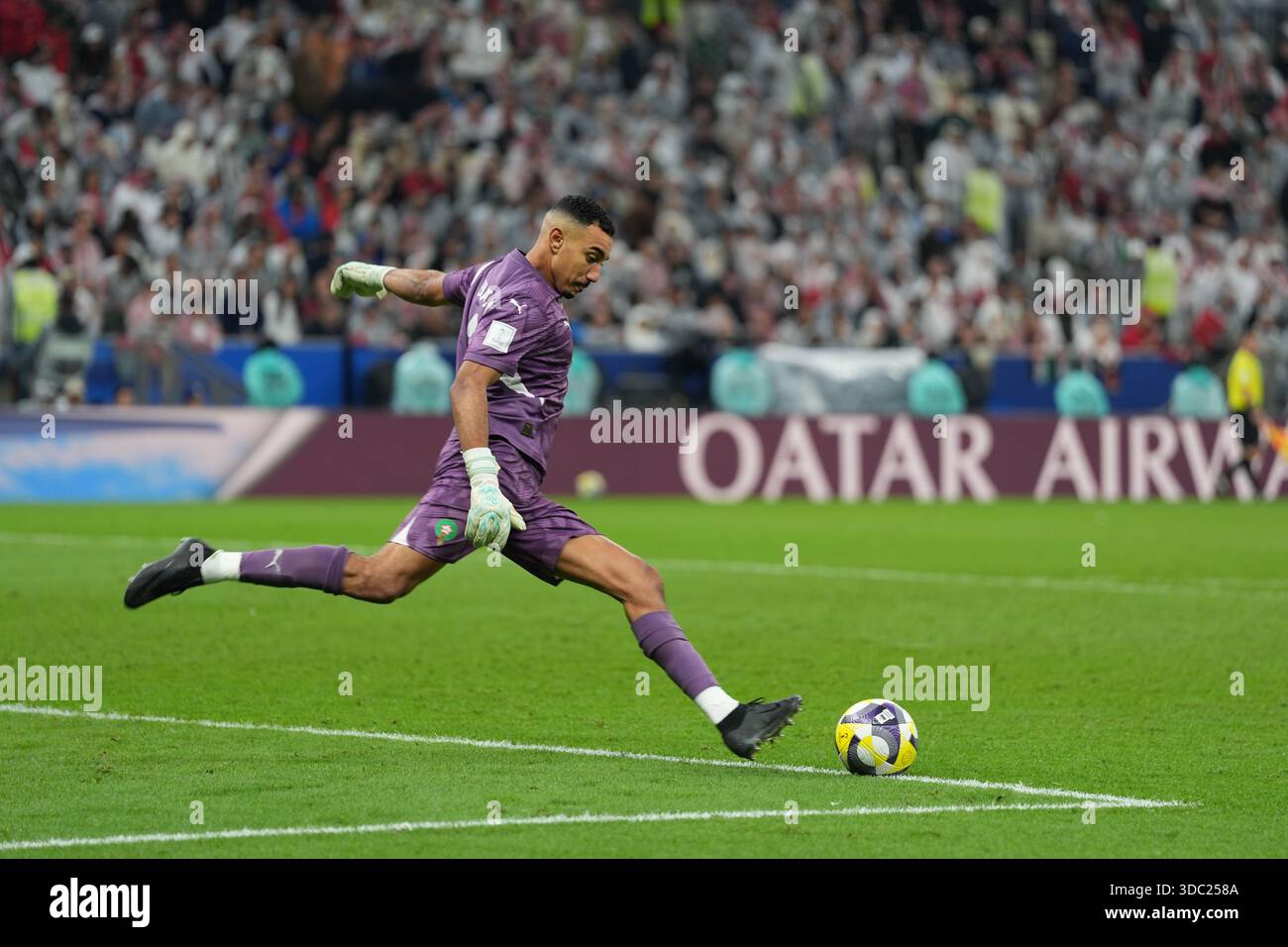
From Neuer to Xabi Alonso's Leverkusen, the ball-playing goalkeeper has reshaped modern football. Here's how it works in 2026.
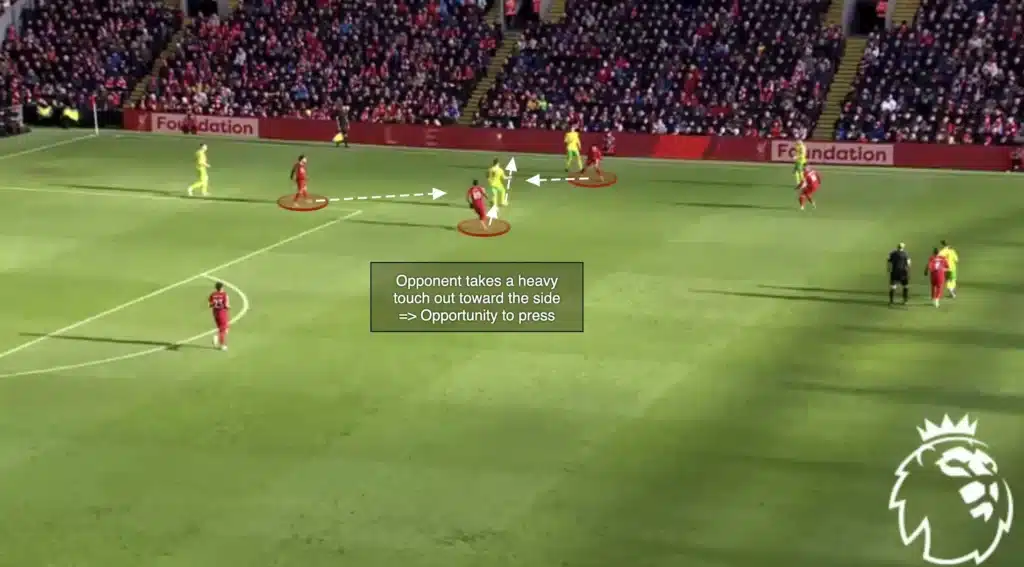
Pressing triggers are the hidden mechanics behind elite defensive systems, turning ball recovery into a precise science.
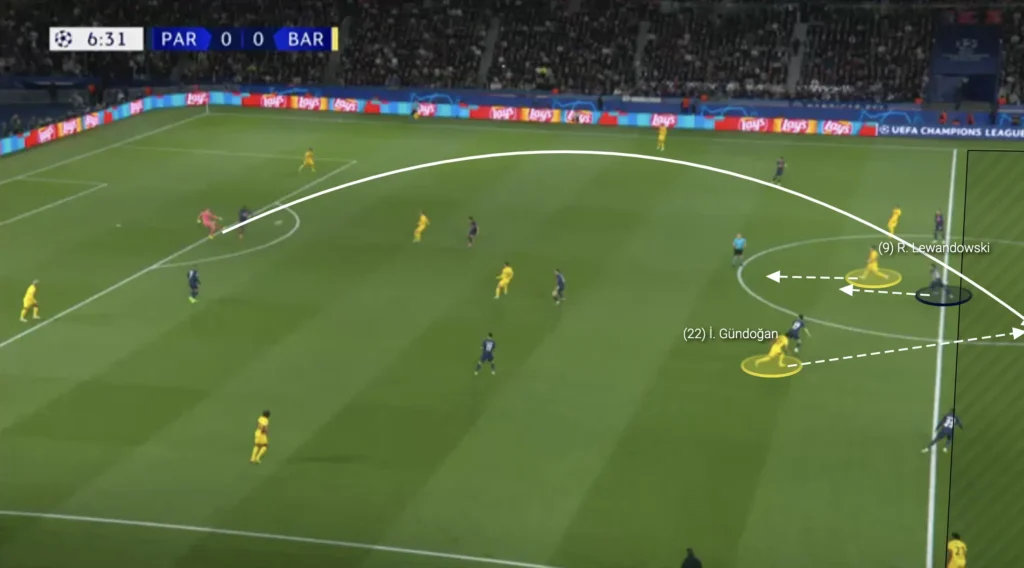
The false nine isn't just a position — it's a tactical earthquake reshaping modern football. Here's how it works in 2026.