
Tacticsabout 9 hours ago
The Box-to-Box Midfielder's Quiet Revolution — And Why It Matters
The box-to-box midfielder is no longer just a runner. It's the most complete profile in modern football — and evolving fast.

Xabi Alonso. That's our #1. Here's the full breakdown of his tactical dominance at Leverkusen.
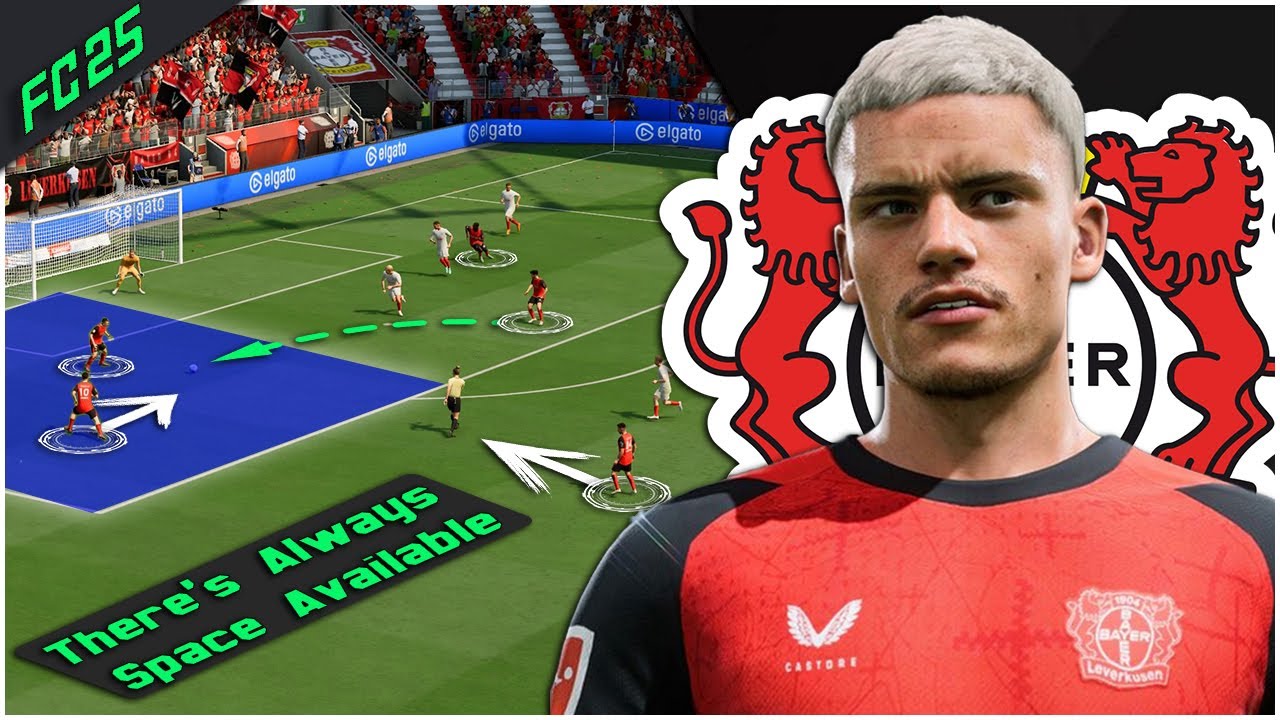
Alonso is known to use a 4-2-3-1 that fluidly shifts into a 4-3-3 in possession. This offers balance and adaptability.
The double pivot acts as the engine room. One player provides cover, the other drives forward, linking defence and attack.
Pressing is implemented in waves, not a constant high press. The team drops into a compact 4-4-2 block when out of possession.
The structure forces opponents wide before cutting passing lanes — a hallmark of Xabi Alonso tactics.
Full-backs track back diligently, ensuring the flanks are protected. Discipline is key.
Build-up starts from the goalkeeper and centre-backs, who look to engage the deeper midfielders.
One pivot drops between the centre-backs, creating a 3+1 structure. This overloads the first line of pressure and enables progression through passing triangles.
Leverkusen is understood to spend significant time on set-pieces. Corners and free-kicks feature coordinated movement and decoy runs.
Multiple players are threats, making it hard to mark zonally. The execution is widely regarded as one of the best in the league.
The number 10 operates between the lines, linking play and creating chances. He must be technically sound and tactically aware.
Wingers cut inside to form a central cluster. The false nine is a potential option according to sources, adding unpredictability.
Fast counter-attacking teams can exploit spaces behind the full-backs when Leverkusen commits forward.
A physically dominant midfield may disrupt rhythm. But few squads possess both the speed and structure to truly challenge it.
The box-to-box midfielder is no longer just a runner. It's the most complete profile in modern football — and evolving fast.
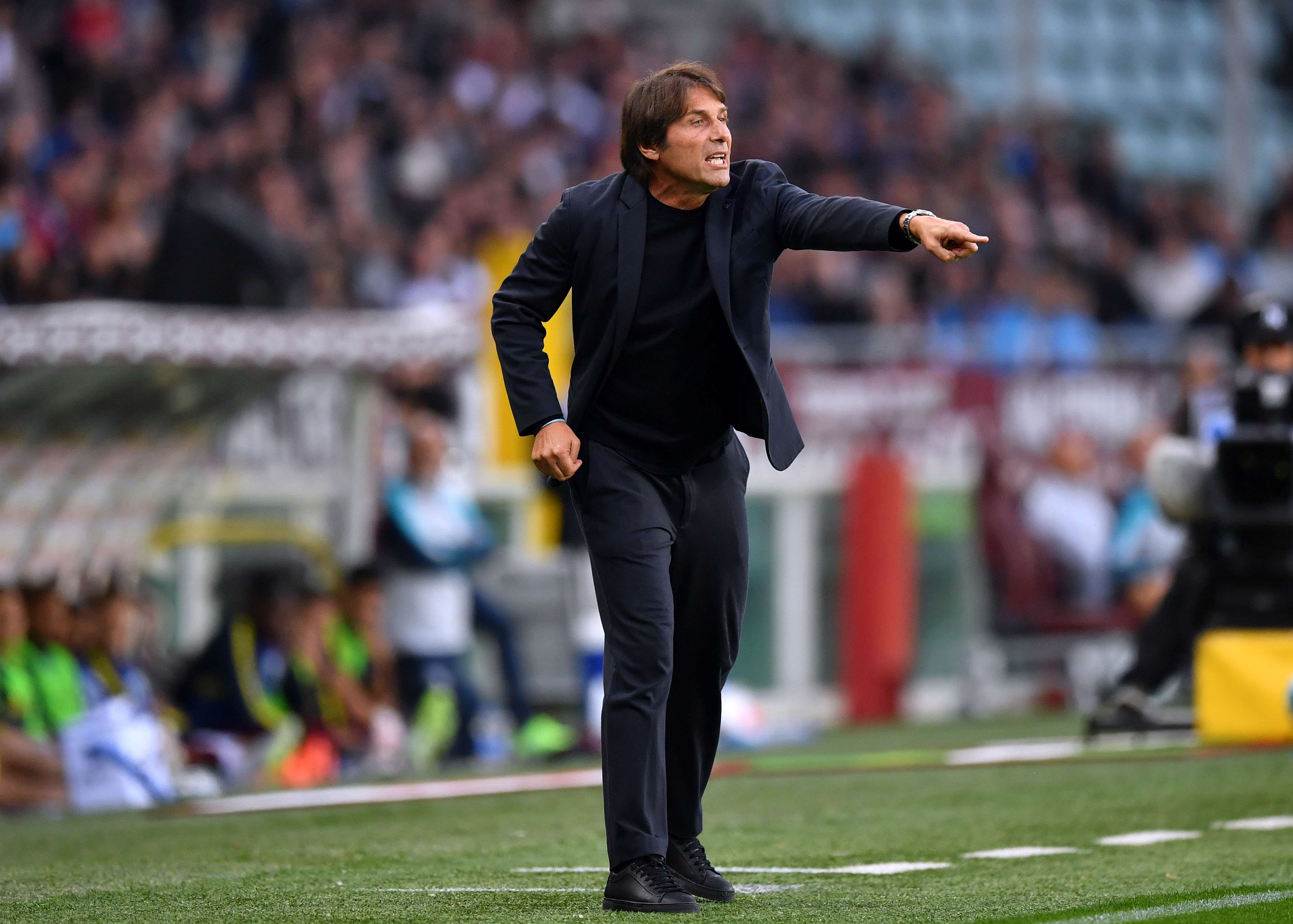
Antonio Conte is reshaping Napoli with a rigid, high-intensity system. Here’s how his tactics are transforming the team.
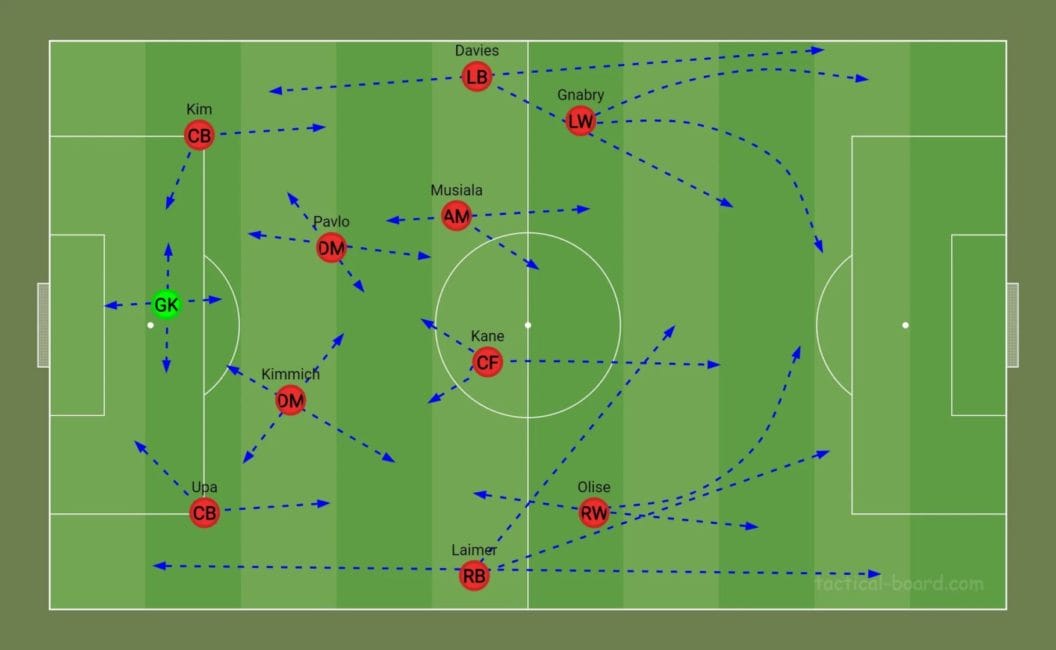
Vincent Kompany is reshaping Bayern Munich with a disciplined, high-intensity system. His tactical blueprint blends structure, aggression, and intelligent transitions.
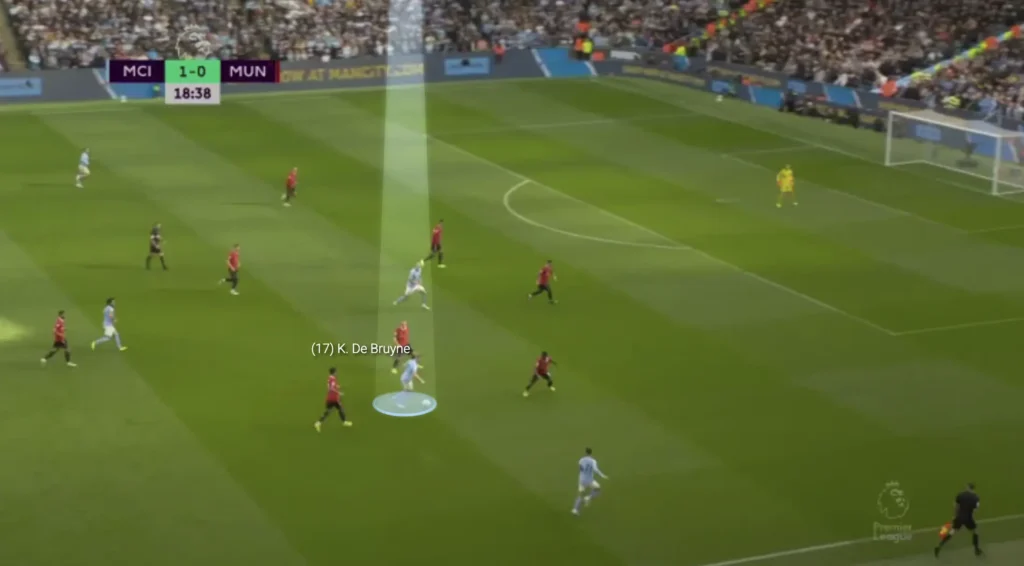
Half-spaces football is now central to elite tactics. Arne Slot at Liverpool uses them masterfully — here’s how and why.